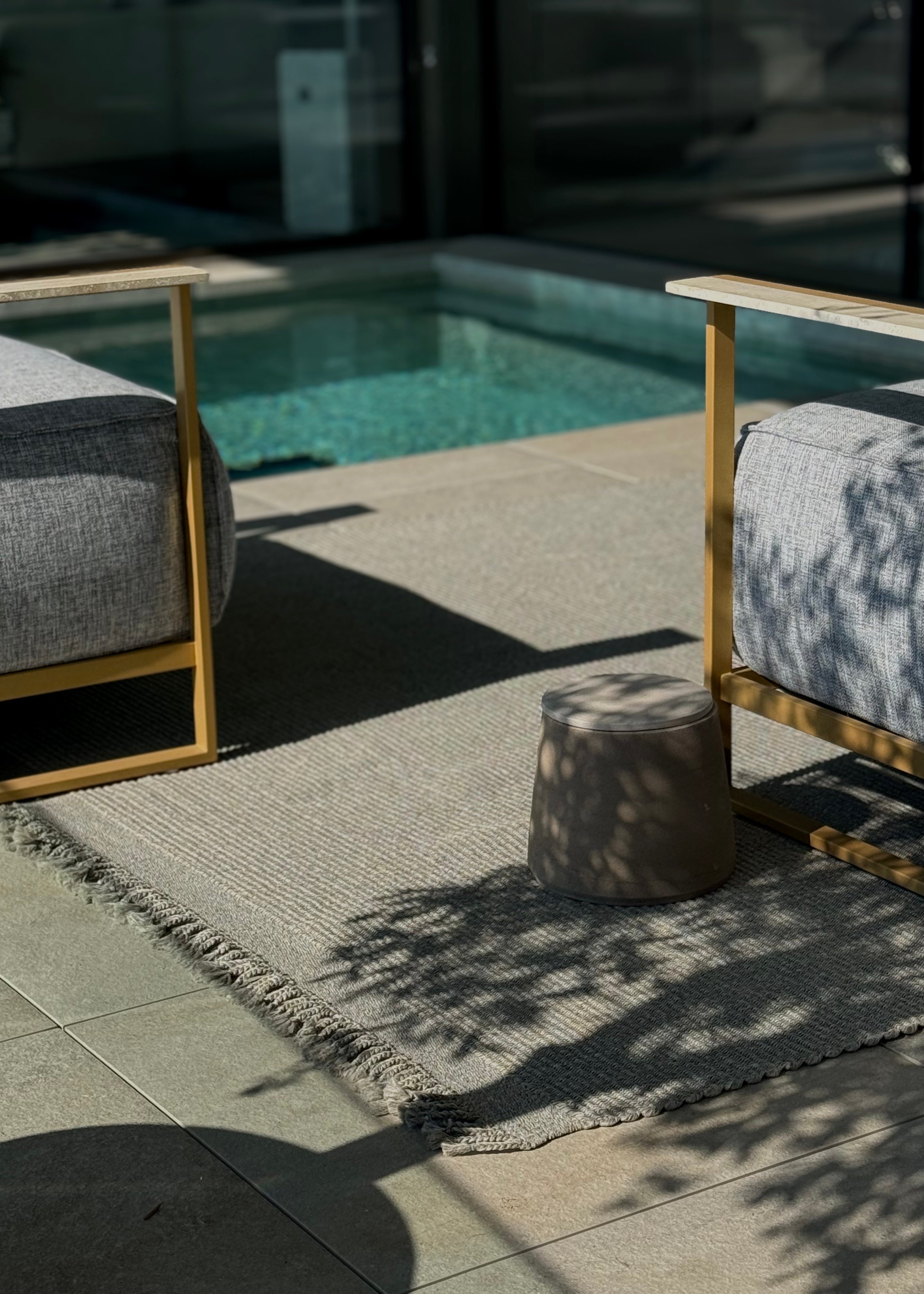
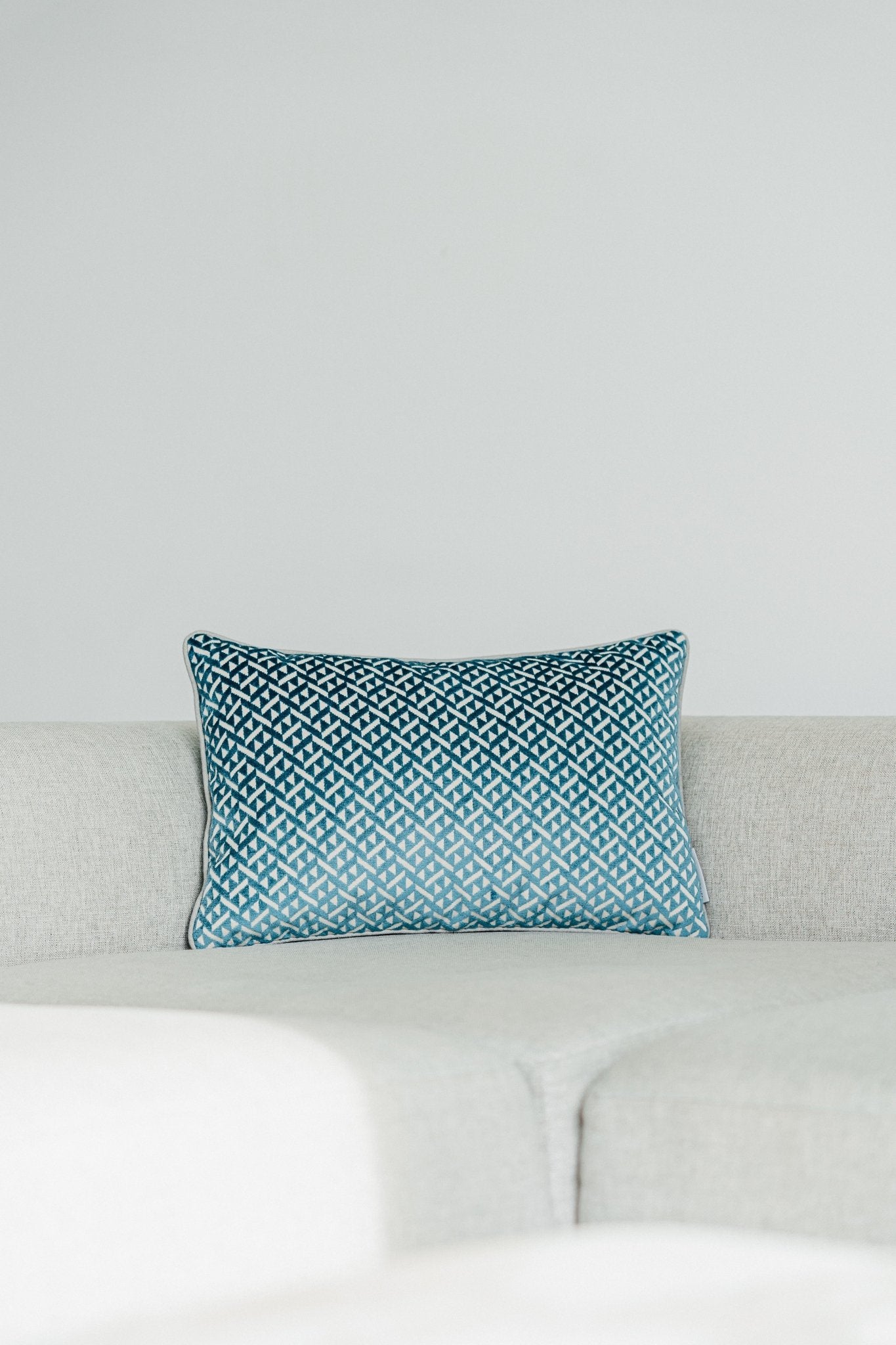
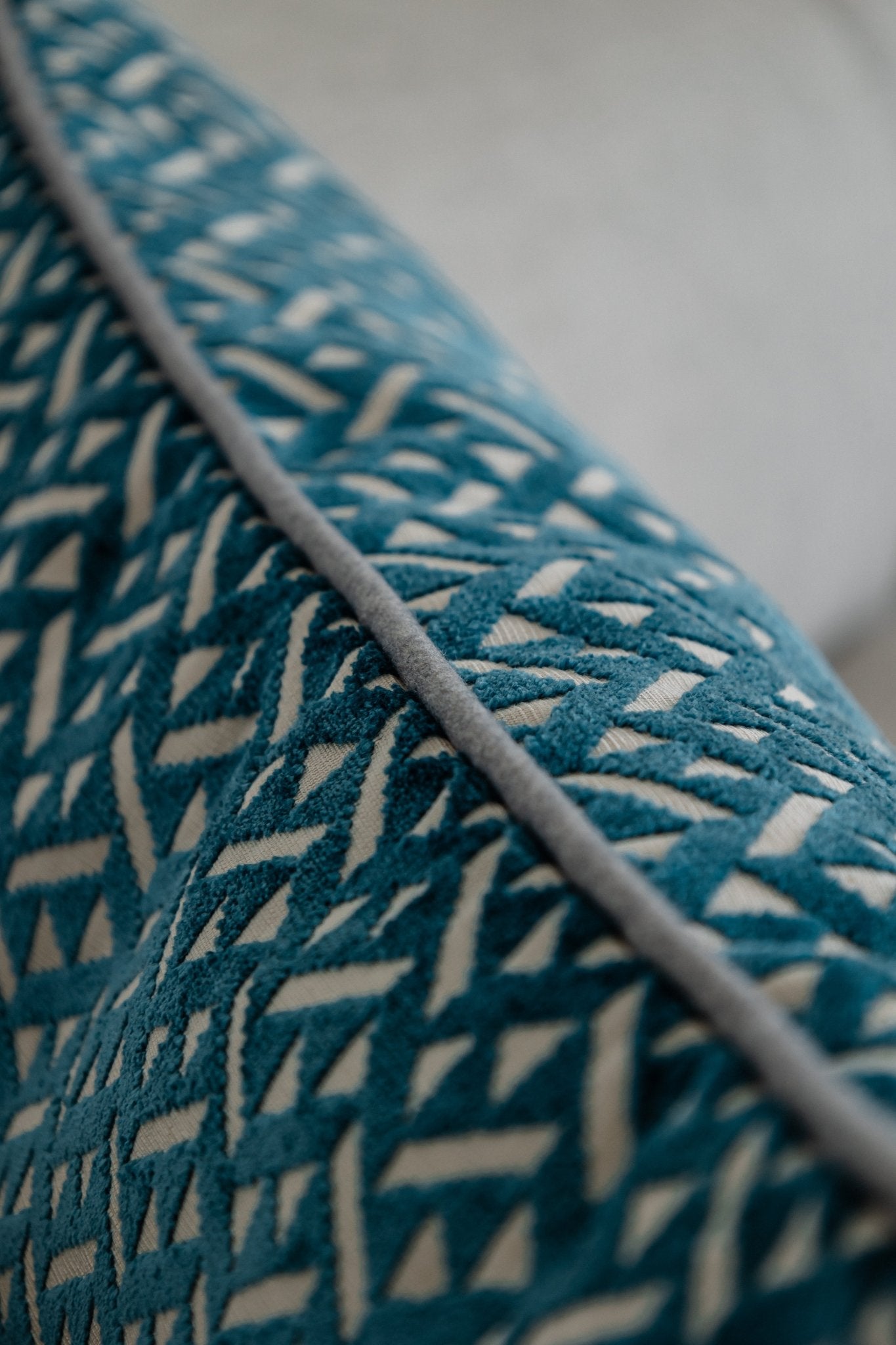
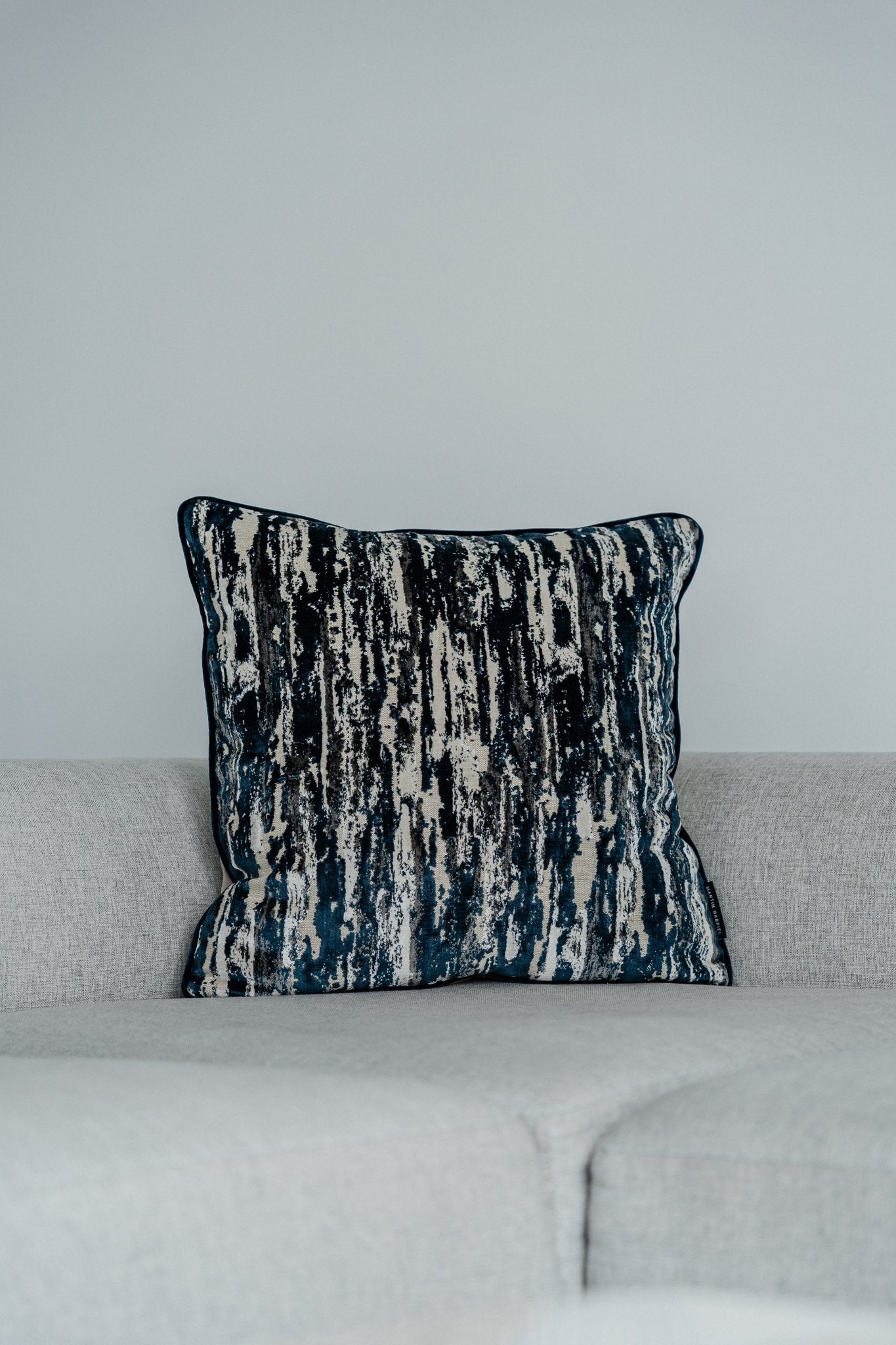
Anyone who has ever gazed upon a glittering white mountain landscape on a frosty winter morning knows that there is a special sense of peace there. This peace can be translated into spaces. Not as Alpine kitsch with cowbells, but as a finely orchestrated interplay of material, light, and proportion. Alpine luxury thrives on restraint, tactile qualities, and clever details that make life easier and more beautiful.
At its core, it's about a sense of comfort that creates a sense of security while simultaneously allowing the grandeur of the landscape to be palpable. A room that smells of warm wood in the morning. A sofa that's deeper than planned because the view through the panoramic window takes time. A dining table with traces that tell stories. This is how the language of a room that feels at home in the mountains begins.
What makes alpine elegance so appealing
- Calm instead of opulence: materiality and care count more than decor.
- Authenticity in feel: Surfaces are allowed to age, patina is welcome.
- Reference to the environment: Mountains, forests, water and light shape the color and form.
- Craftsmanship precision: Carpenters, stonemasons, metalworkers and textile workers shape the details.
There's power in this attitude. A room doesn't have to scream if it can speak confidently. Those who love the mountains aren't looking for a museum, but rather a home with clean lines, quiet warmth, and tangible quality.
Materiality: wood, stone, wool and light
Wood sets the tone for everything. Spruce with its warm honey glow, oak with its calm grain, walnut with depth. Reclaimed wood brings calm to the picture because its surface reflects light matte and softens spaces. The right grading is crucial: too vibrant creates a restless effect, too sterile loses character.
Stone provides grounding. Regional natural stone such as gneiss, slate, or limestone works well in floors, wet areas, and around fireplaces. It can be brushed and veined, as long as the texture doesn't feel cold. Those seeking light elegance should work with travertine or light-colored dolomite, in brushed or open-pore finishes.
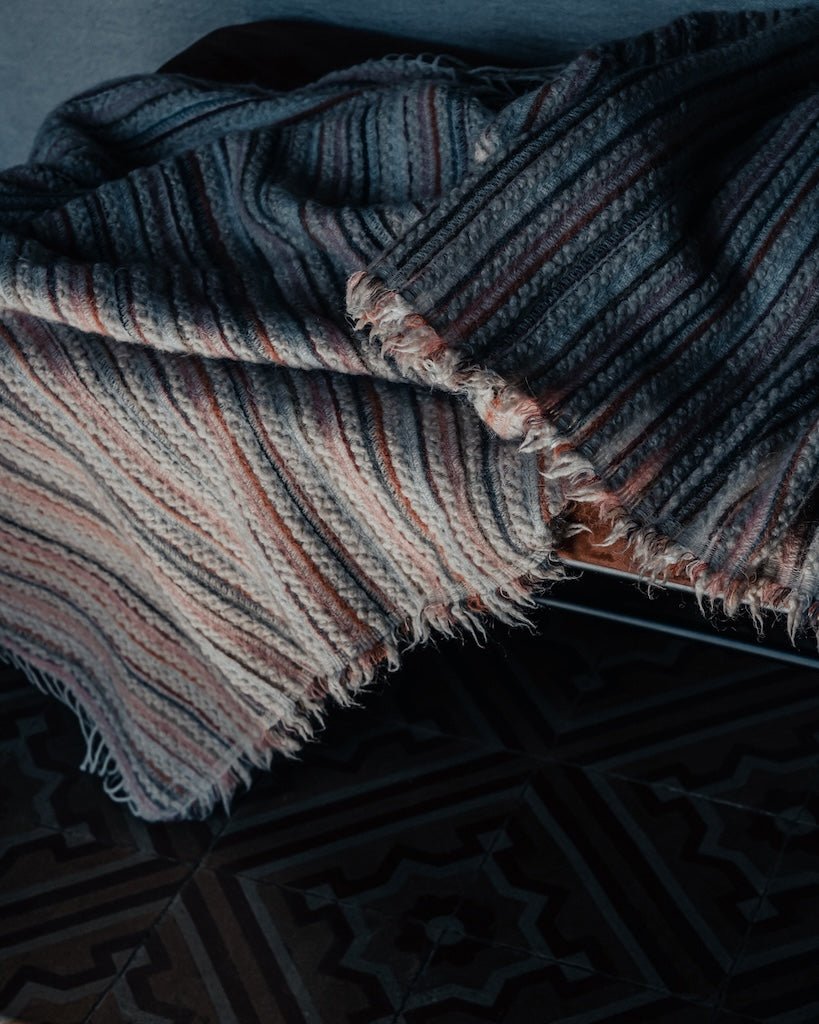
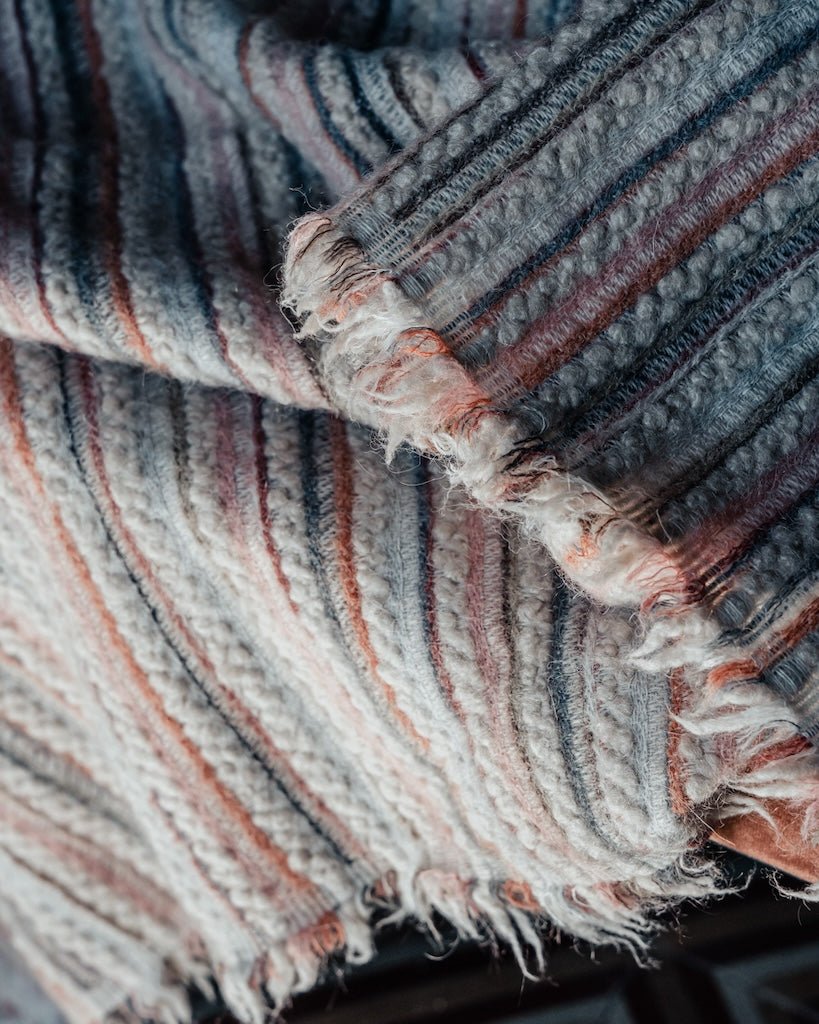
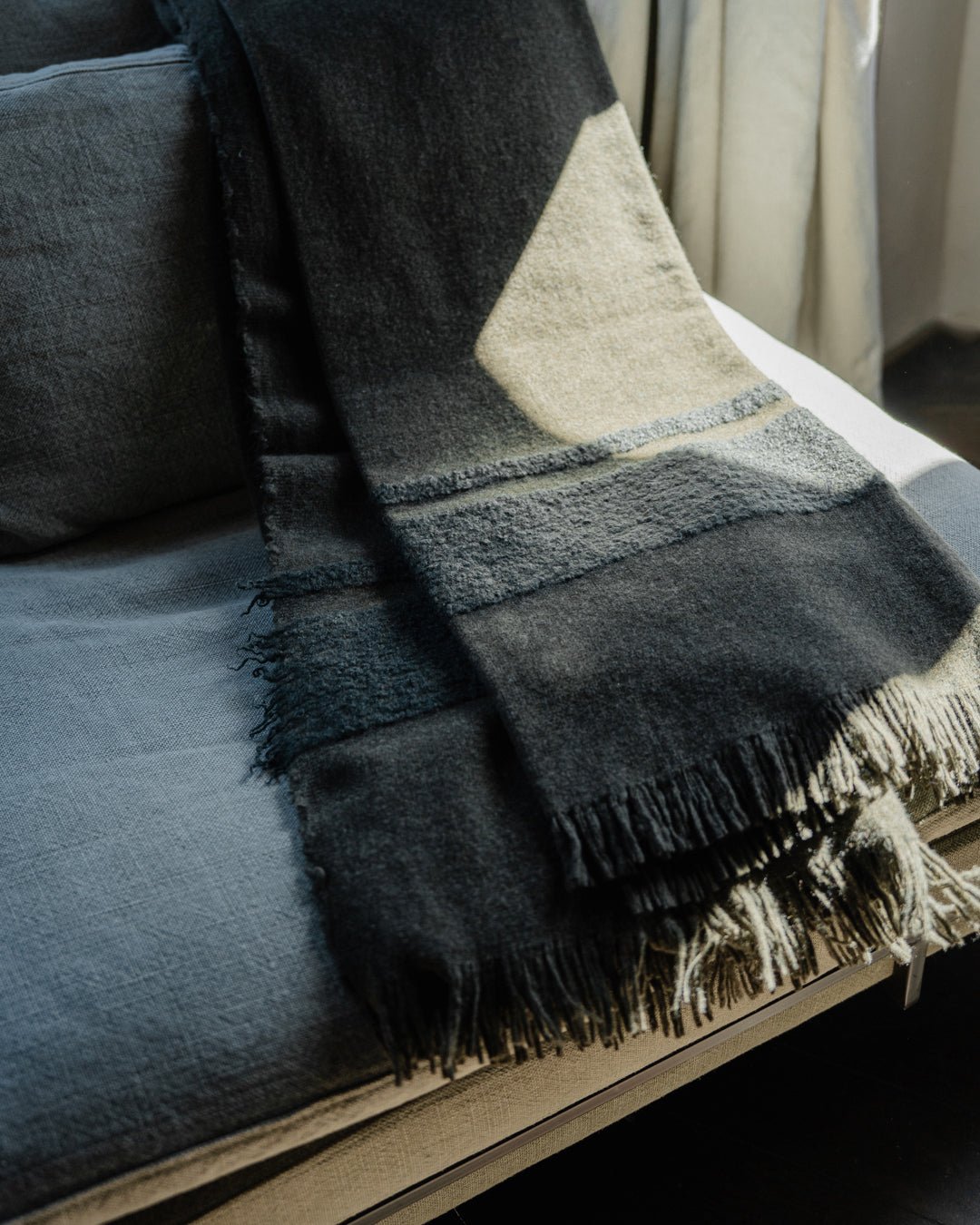
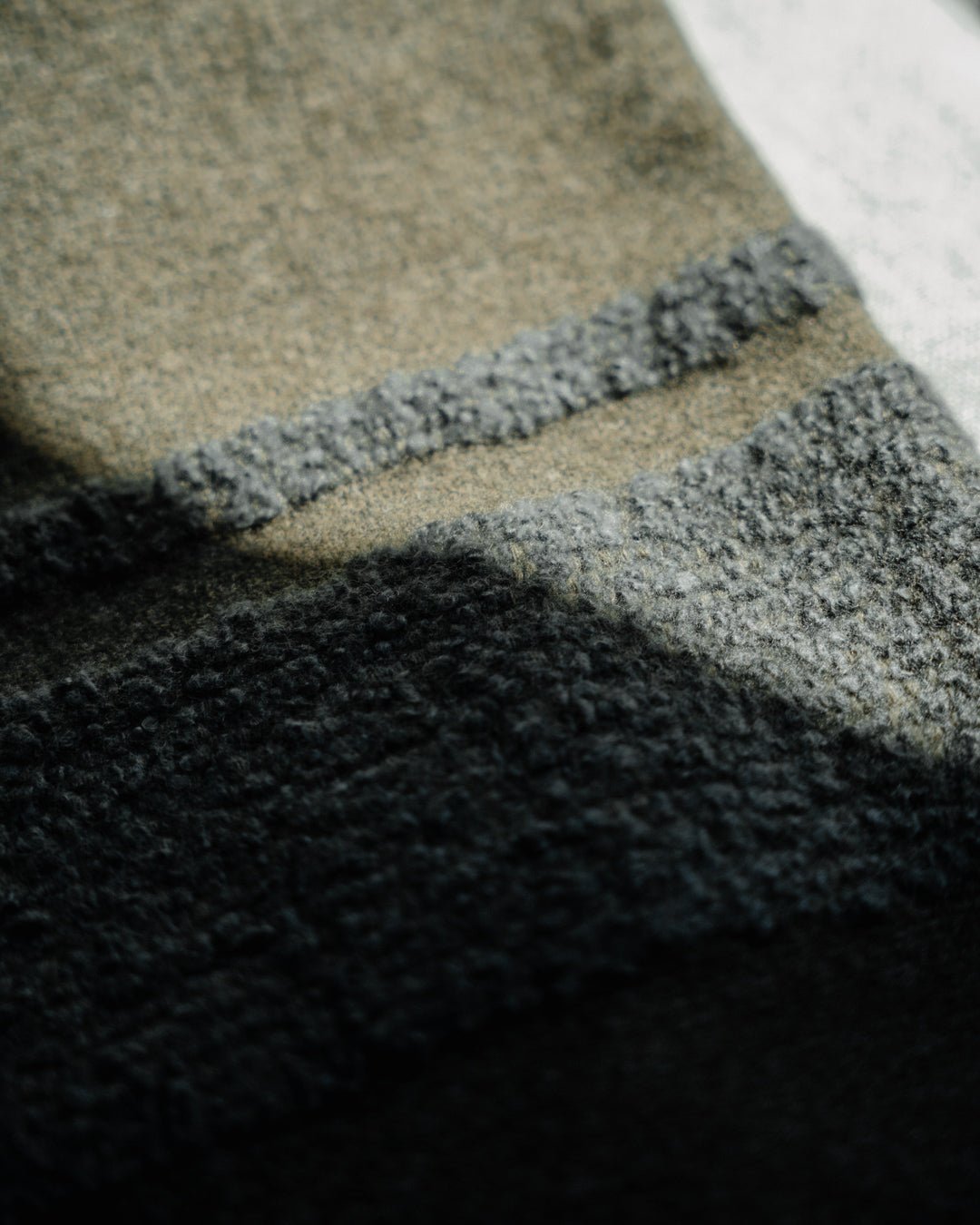
Textiles connect the layers: loden, wool, linen, cashmere. A dense wool rug absorbs sound and adds warmth to the walk. Fur is often expected, but there are excellent alternatives in woven fur and coarse bouclé that are durable and easy to care for.
Light makes all this visible. An alpine space thrives on layering: ceiling light that's barely visible, along with lines of indirect warm tones, picture and niche lights, and candles in the evening. 2700 Kelvin is a good starting point. Low ceilings benefit from light gaps and accentuated wall lights, while high rooms benefit from pendants with fabric shades.
Material compass at a glance
| material | Effect in space | Haptics | Care requirements | Climate balance in the ideal case |
|---|---|---|---|---|
| Old wood | warm, muted, calm | silky, structured | moderate, oil | very good, reused locally |
| oak | clear, timeless | firm, fine-pored | low, soap/oil | good with regional reference |
| slate | grounding, graphic | cool, flaky | low, impregnate | good, prefer short distances |
| Travertine | friendly, elegant | open-pored, soft | moderate, seal | medium, depending on the mining |
| Loden | cozy, acoustic | dense, warm | low, brush | good, prefer pure new wool |
| Linen | airy, natural | cool, grippy | moderate, wrinkles | good, flax with certificate |
| Faux fur/Bouclé | lush, soft | voluminous, warm | moderate, suction | depending on fiber, recycled possible |
| Bronze/black steel | striking, durable | solid, patinable | low, growable | good for long-lasting design |
Colors and proportions
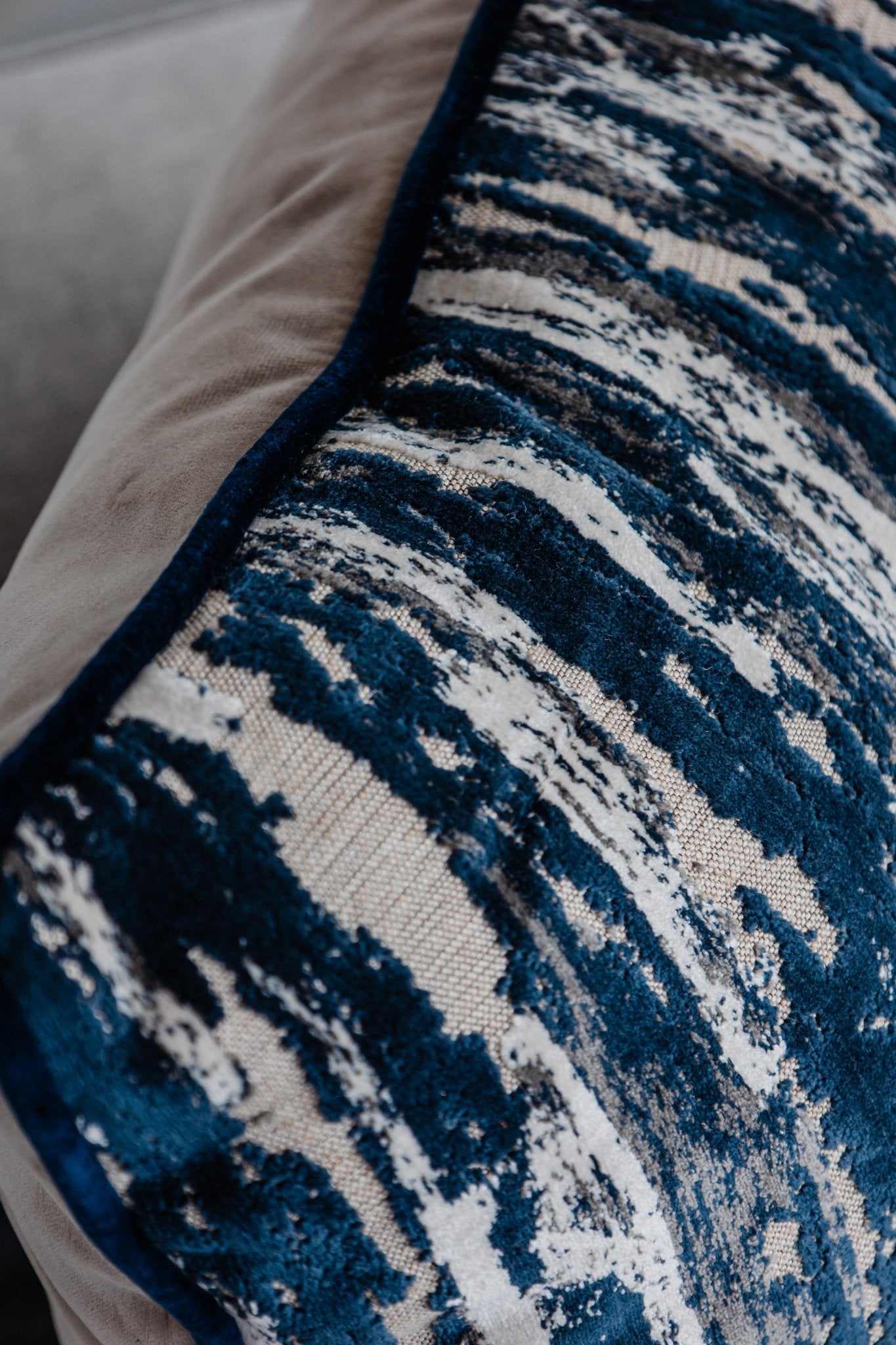
The color spectrum is inspired by moss, stone, bark, and sky. Sand, taupe, and gray-brown form the base, with accents in fir green, midnight blue, or a warm rust tone. Red quickly takes on a folkloric feel, but used selectively, for example, as piping or in a woven blanket, can still work well.
Proportions are a subtle art. Sloped ceilings require flat sofas and low lamps. Large windows require deep benches that deliberately frame the view. A solid dining table can be dominant if the chairs are slim and upholstered. Rugs define zones and are ideally set back 20 to 30 centimeters below the furniture to give rooms a grounded feel.
Architecture and furnishing in dialogue
A successful room thrives on built-ins that are architecturally minded: window seats, flush shelves, a stove bench as a transition between the living room and the dining room. Cabinet fronts disappear into wall paneling, handles are inset or made of oil-rubbed bronze. The kitchen showcases wood and stone, avoids harsh mirrored surfaces, and places appliances in valley lines that resemble furniture.
A fireplace often provides a haven of peace. Anyone planning to use a real wood fire should plan a good ventilation system. Gas fires offer comfort, but require careful execution to ensure the flame pattern and proportions are just right. Soapstone and cast iron collect heat and gently release it. The stove bench is more than just a nostalgic touch; it creates a second level of seating, ideal for long evenings.
Warmth, climate and comfort
Radiant heat is unbeatable in the mountain climate. Underfloor heating in stone surfaces, wall heating panels behind wood, and a properly designed fireplace create a cozy overall system. Excessively dry air damages wood and vocal cords. Humidification with concealed devices, sufficient water capacity, and a hygrostat protect surfaces and well-being.
Wood is alive. It changes with the seasons. Maintaining a relative humidity of 40 to 55 percent reduces gap formation and warping. Ventilation systems with heat recovery provide fresh air without drafts, and filters protect against pollen and particulate matter. All of this can be integrated unobtrusively if shafts, access hatches, and utility rooms are planned early.
Bath, sauna and small spa
An Alpine bathroom isn't a showroom, but a sanctuary. Natural stone on the floor, wood on the walls, Tadelakt or microcement in the shower. Brushed bronze or black steel fixtures that are allowed to age. Mirrors with integrated lighting, no harsh front lighting, instead light from the sides and indirect light from above.
The sauna blends in as an object, not as an alien element. Exterior: larch or thermo-treated ash, interior: hemlock or abachi, depending on heat resistance. Window cutouts are positioned so that you can see the forest from your seat. A steam or bio sauna complements the hot room for longer stays. The fragrance comes from herbs and woods, not synthetic perfume.
Craftsmanship and details
The quality is evident in the edges. A 2-millimeter radius on the wood front, a continuous shadow gap, and paneling that doesn't rattle. Metal sprouts as moldings, handles, and profiles, blending seamlessly with wood and stone. Seams on upholstery are deliberate, piping emphasizes lines, and covers are removable and easy to care for.
Lighting follows the details. A lamp in a display case highlights ceramics or glass, floor lights illuminate walls, and steps remain safe. Dimming is mandatory, and scenes can be saved. A good design eliminates dark corners, yet still leaves room for the night.
Technology discreetly integrated
Luxury becomes tangible when nothing disturbs. Speakers disappear behind fabric coverings, screens are recessed into the sideboard or sit in the frame like a picture. Network coverage is seamless, access points are located in the ceiling and are color-matched. Door station, camera, alarm, and access control work together without taking away from the stage for a guest evening.
Controls can be reduced to a few logical buttons. A switch next to the door, another by the bed, and an app as a complement. Heating circuits run automatically, window contacts react intelligently. Technology isn't an end in itself; it serves comfort and keeps the stage clear for materials and light.
Sustainability without sacrifice
Building locally creates character and saves on travel. Reclaimed wood preserves history and reduces the ecological footprint. Natural paints and solvent-free oils keep the air clean. Furniture made of carpenter-quality wood instead of disposable items saves costs and hassle in the long run. Upholstery with natural fillings is repairable, and covers are replaceable.
Properly dimensioned insulation, tightly fitting wood-aluminum windows, and triple glazing contribute to the tranquility. Sun shading is located on the outside, while textiles provide the finishing touches inside. Recycled materials find their place without making a statement when cleverly combined.
What you can learn from boutique hotels in the Alps
Good mountain hotels understand one thing: arriving is a ritual. A bench for getting dressed and undressed, plenty of hooks, a warm floor, and good lighting. In private projects, it's worth considering the entrance area in a similar way. A ski and boot room with ventilation, drying, and organization system. A bar that not only displays but also serves, with an effective back wall and water connection. A small lounge area that captures the eye before moving on.
Fragrance, acoustics, and a slight temperature difference between zones control perception. A whisper of stone pine or juniper, dampened sound intensity by curtains and carpets, slightly cooler bedrooms. This is how hospitality becomes permanent.
Seasonal production
Winter demands density, summer air. In the colder months, heavy wool blankets are at the ready, curtains are lined, and rugs are thicker. As the days grow longer, linen cushions, lighter throws, and open weaves appear. Vases fill with grasses, wooden bowls bear fruit. Art is allowed to wander, small formats move to places with daylight, and large works are given their winter storage.
The lighting also changes its role. Winter evenings can accommodate more candles and low floor lamps, while in summer, the transition from the long day to the twilight is crucial. Scenes can be saved, allowing you to change the mood at the touch of a button.
Costs, planning and timeframe
Those who want quality plan ahead. The major cost drivers are obvious:
- Natural stone in large formats, especially in wet areas
- Custom-made fixtures with complex fittings
- High-quality upholstery and fabrics
- Invisible technology, acoustics and building services
- Fireplaces with air supply and natural stone-clad bodies
Time is a cost factor in itself. Delivery times for fabrics and custom lighting can be 12 to 20 weeks, and natural stone requires sampling and reservation. A proven approach:
- Needs analysis, space logistics, zoning
- Color and material concept with original size samples
- Design planning for fixtures, approval of details
- Lighting planning, switch logic, luminaire list
- On-site sampling, sample areas for wood and stone
- Work planning and coordination of trades
- Production, pre-assembly in the workshop, acceptance
- Installation, fine-tuning, styling and care handover
A buffer of 10 to 15 percent for unforeseen events protects the project. Good contracts with milestones keep everyone involved on track.
Common mistakes and how to avoid them
- Too much decoration: A few strong pieces beat many small ones.
- Wrong light: Cold white destroys the mood, too few dimmable circles limit the light.
- Uneven grain: Surfaces must speak to each other, otherwise it will be loud.
- Rooms that are too dark: Wood on the wall needs light ceilings or light gaps.
- Forget acoustics: Hard materials need textile partners.
- Care ignored: Open stones in the kitchen demand attention, oiled wood wants attention.
Step by step from concept to finished chalet
It starts with a conversation. What is the purpose of the space, who uses it, how often, and in what season. Answers lead to zones: arrival, living, cooking, eating, sleeping, wellness, and storage. A mood board isn't a Pinterest album, but a precise selection of five to seven key images and real material samples that work together.
The planning relies on clear axes. The line of sight from the dining table to the fire. The view from the bed is of a calm, textured wall, not of technology. Storage space is created in the depths of walls, niches are used centimeter by centimeter. Only afterward comes furniture. Sketches transform into 3D visualizations, samples of wood and stone migrate into the rooms. A mock-up of a room clarifies infinitely much before 50 square meters of wood are sawn incorrectly.
During the construction phase, on-site presence is crucial. Go through the details with the trades once a week, coordinate details on the wall, and discuss tolerances. If you take this seriously, you'll end up with exactly what was intended at the beginning.
Three short project pictures
-
Kitzbühel, attic apartment: Reclaimed wood paneling in a calming sorting, a floor-to-ceiling fireplace with a soapstone bench, a kitchen with a travertine countertop, and all the appliances concealed behind wooden cabinetry. Linear lighting, a sideboard with a built-in bar, and the result: a space that combines urban serenity with mountain tranquility.
-
Engadine, a modernized farmhouse: Low beamed ceilings, hence flat sofas, light linen curtains, brushed slate floors. Sleeping in rooms with loden panels for soundproofing. Bathrooms with tadelakt, black fixtures, and a view of the courtyard. The place retains its soul and gains comfort.
-
A city apartment with an alpine accent: No view of the peaks, but instead a reference to the materials. Smoked oak, deep green loden, art with rock motifs, a compact gas fireplace. Gentle changes in summer, more texture in winter. This is how mountain air comes into the city.
Care and longevity
An interior ages like a good leather jacket if you take care of it. Refresh oiled wood every 12 to 24 months, gently cleaning beforehand, never with aggressive cleaners. Waterproof stone surfaces regularly, gently removing stains immediately. Vacuum textiles, spot clean, and have upholstery washed or professionally treated. Keep an eye on humidity levels, filling the humidifier in good time in winter.
Rotate rugs to ensure even wear and tear on walkways. Hang curtains away from the radiator, and avoid direct sunlight on leather. Small scratches are patina; have deeper damage repaired by a professional. This keeps things good.
Shopping list for a harmonious setup
- A large dining table made of solid oak or walnut, oiled
- Comfortable, upholstered chairs with robust wool fabric
- Sofa with removable linen blend covers
- Deep bench by the window with loden cushion
- Wool carpets in natural tones, flat woven in summer, denser in winter
- Curtains with lining in bedrooms, lighter blinds in the living room
- Wall lights as a calm light source, plus selective reading lamps
- Ceramic, glass and wooden bowls as functional decoration
- Bed with upholstered headboard, good mattress, linen bed linen
- Organization system in the entrance area and ski room, ventilated and robust
Those who curate courageously, rather than collecting indiscriminately, achieve depth. A single outstanding object endures more than ten random ones.
An Alpine home isn't a style you can just read, but an attitude. The mountains speak softly if you give them space. Materials, light, and proportions respond. When the door closes, the world outside should feel larger and the inside quieter. This is precisely why the care is worth taking.