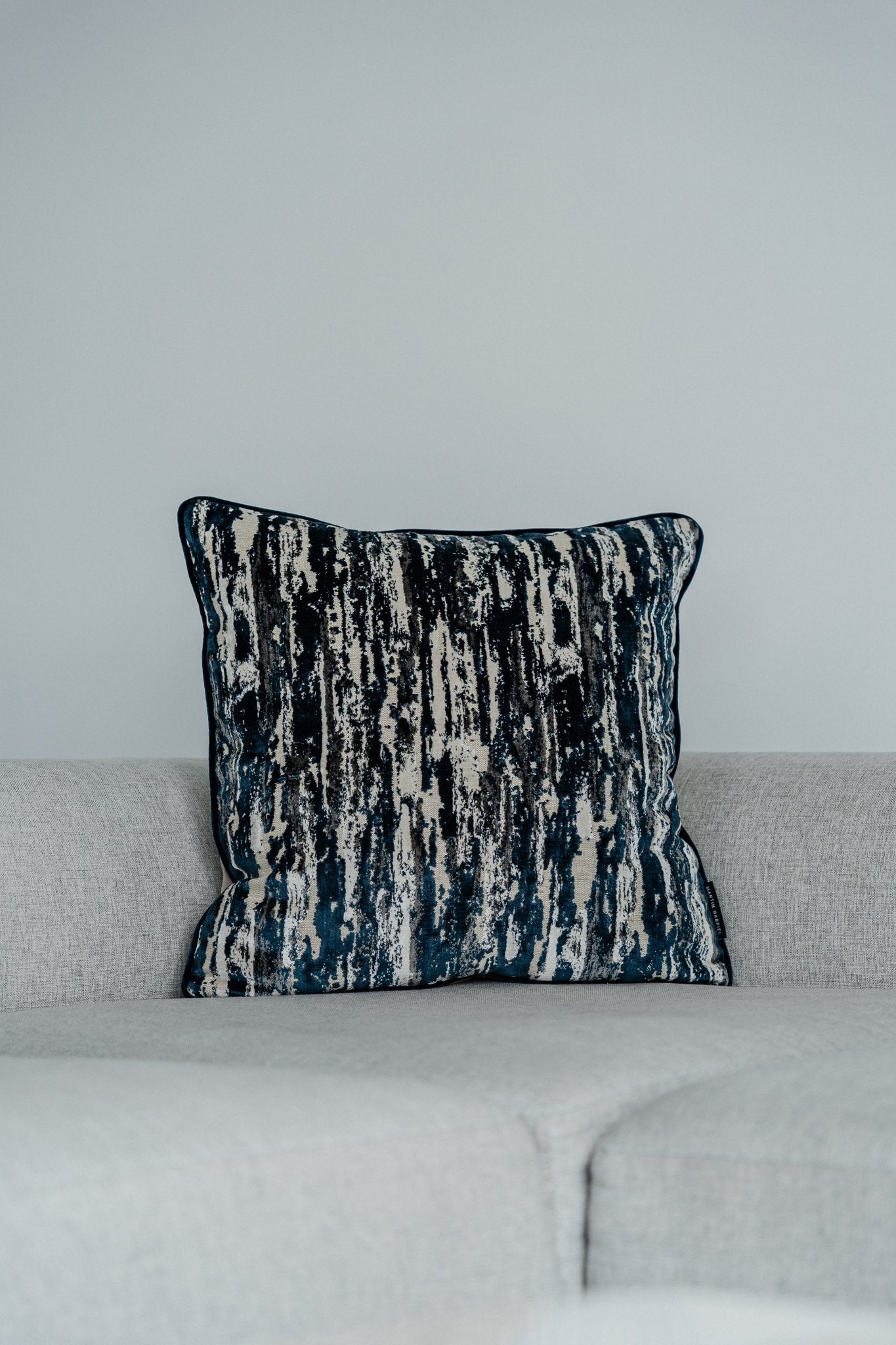
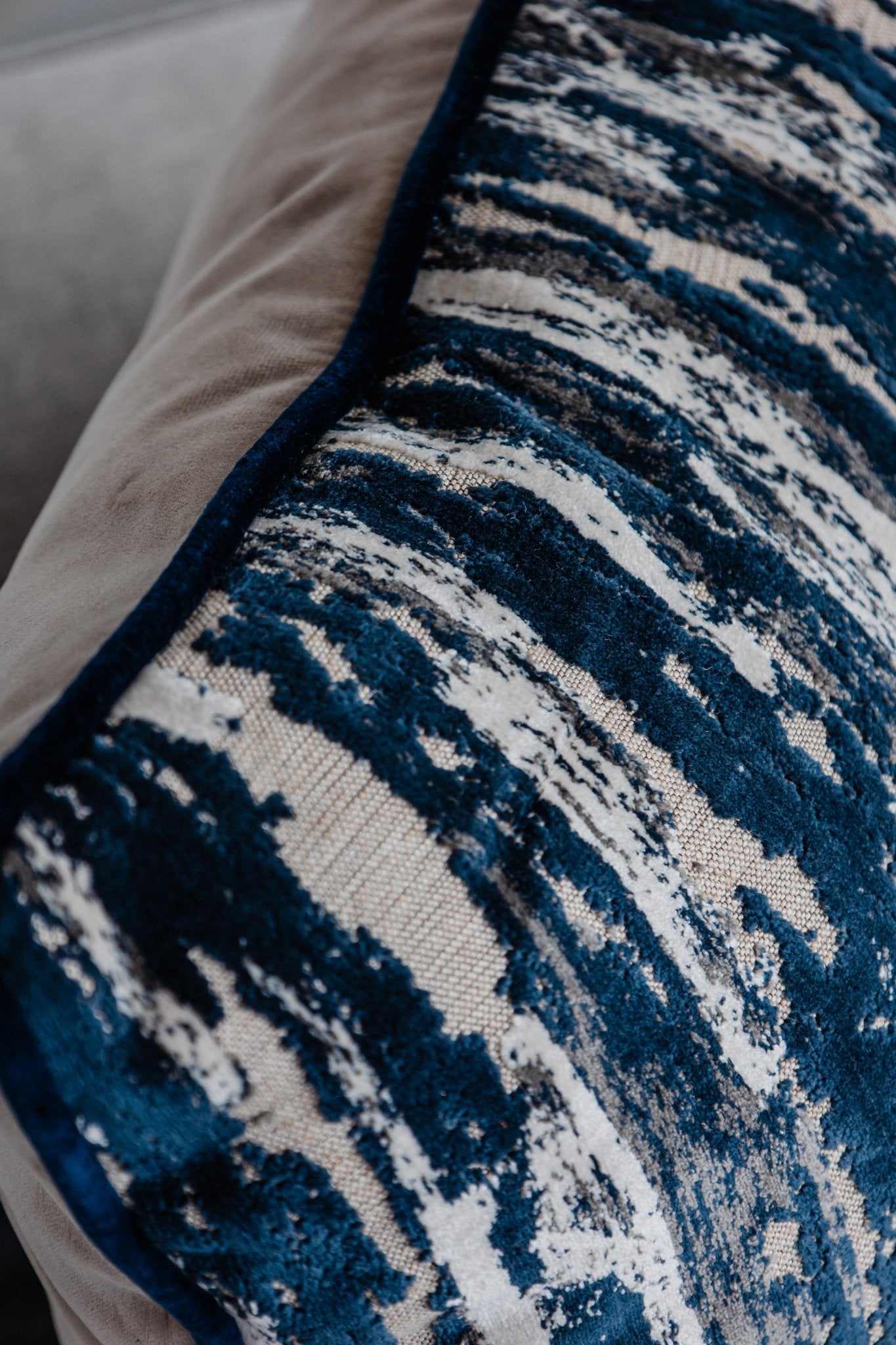
The Alps have always stood for expansiveness, tranquility, and craftsmanship. In 2025, this feeling is reflected in interiors that radiate warmth, appear timeless, yet are consistently modern in design. Natural materials, muted colors, understated technology, and precise details blend into spaces where you'll want to slow down. Not nostalgic, but contemporary and durable.
Why the Alpine style is particularly convincing now
The desire for tactile surfaces is growing. Plastic is losing its shine, while visible materials are gaining ground. In the Alpine context, this means wood with character, stone with grain, wool with a tactile feel, and metal with a patina. Everything can bear traces that recall its origins.
At the same time, clear floor plans emerge. A room can feel cozy yet spacious if the proportions are right, colors remain calm, and technology works unobtrusively in the background. This mix captures the spirit of the times.
Materials with depth: wood, stone, lime, wool
The choice of materials forms the foundation.
- Wood: Oak, larch, fir, and Swiss stone pine. Soaped, oiled, or lightly soaped and white-leached for a bright yet warm appearance. Beveled edges, visible dovetail joints, and brushed surfaces that reveal the grain.
- Stone: Jurassic limestone, dolomite, quartzite, or dark slate add grounded accents. Brushed instead of polished, for less glare and more texture.
- Plaster: Lime putty and clay create a subtle cloudiness on the wall, have a matte effect and regulate moisture naturally.
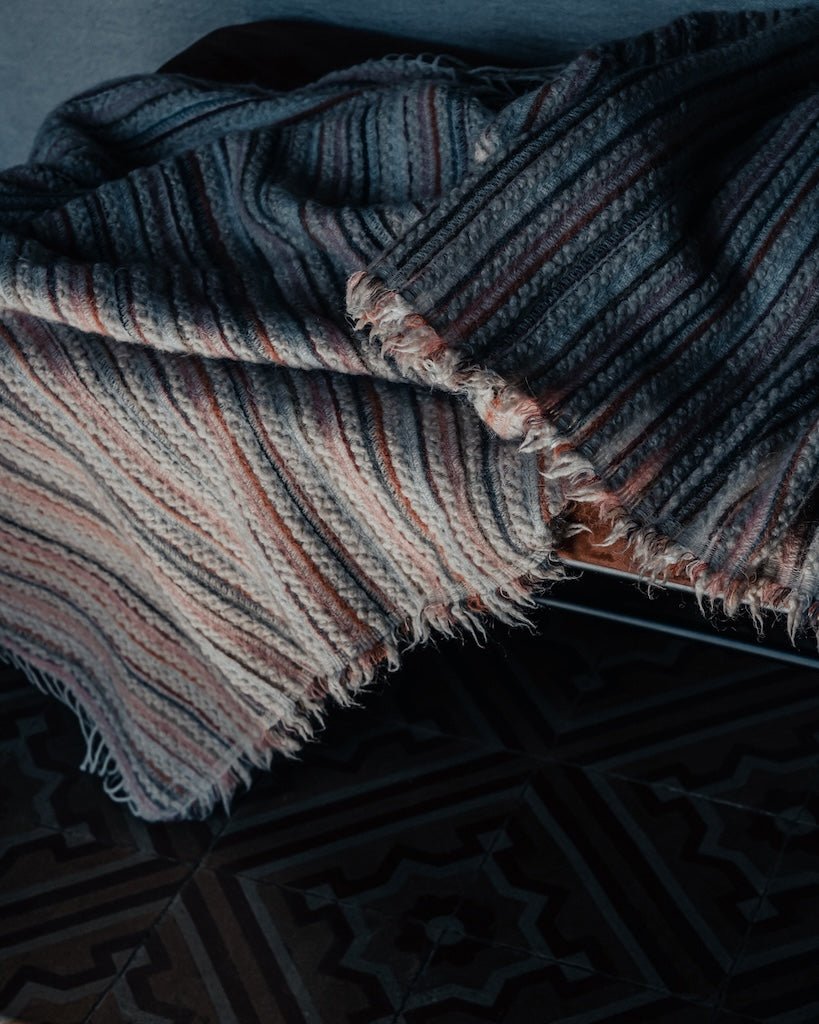
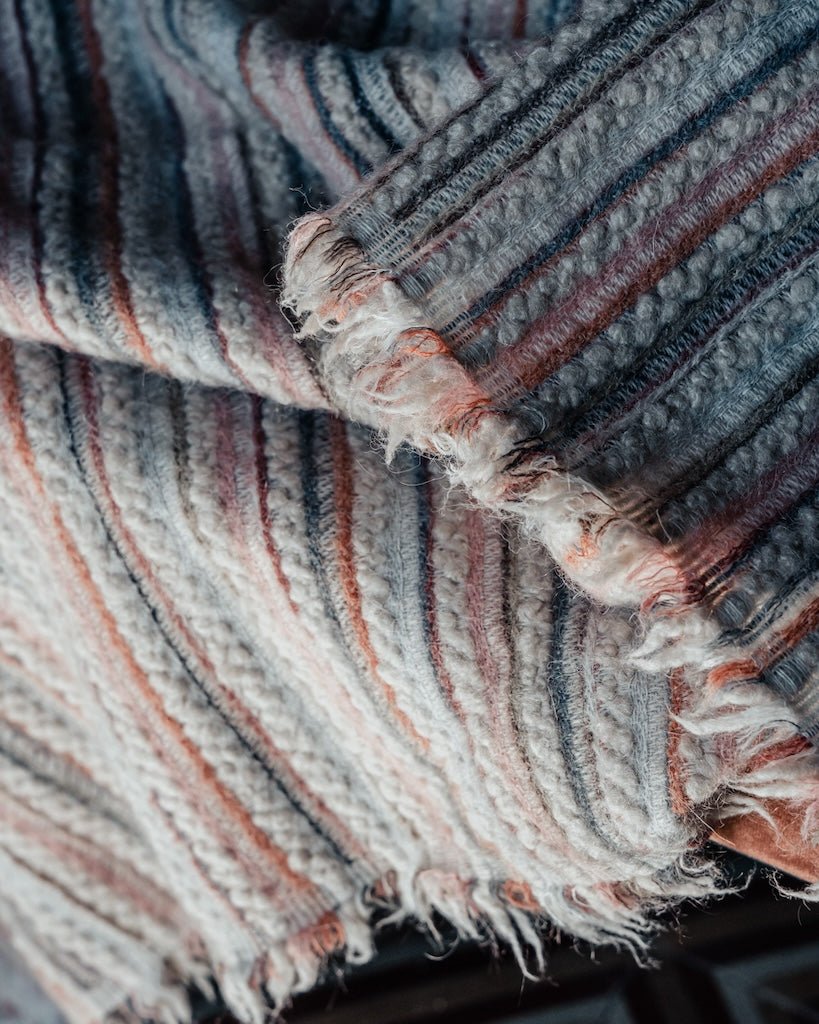
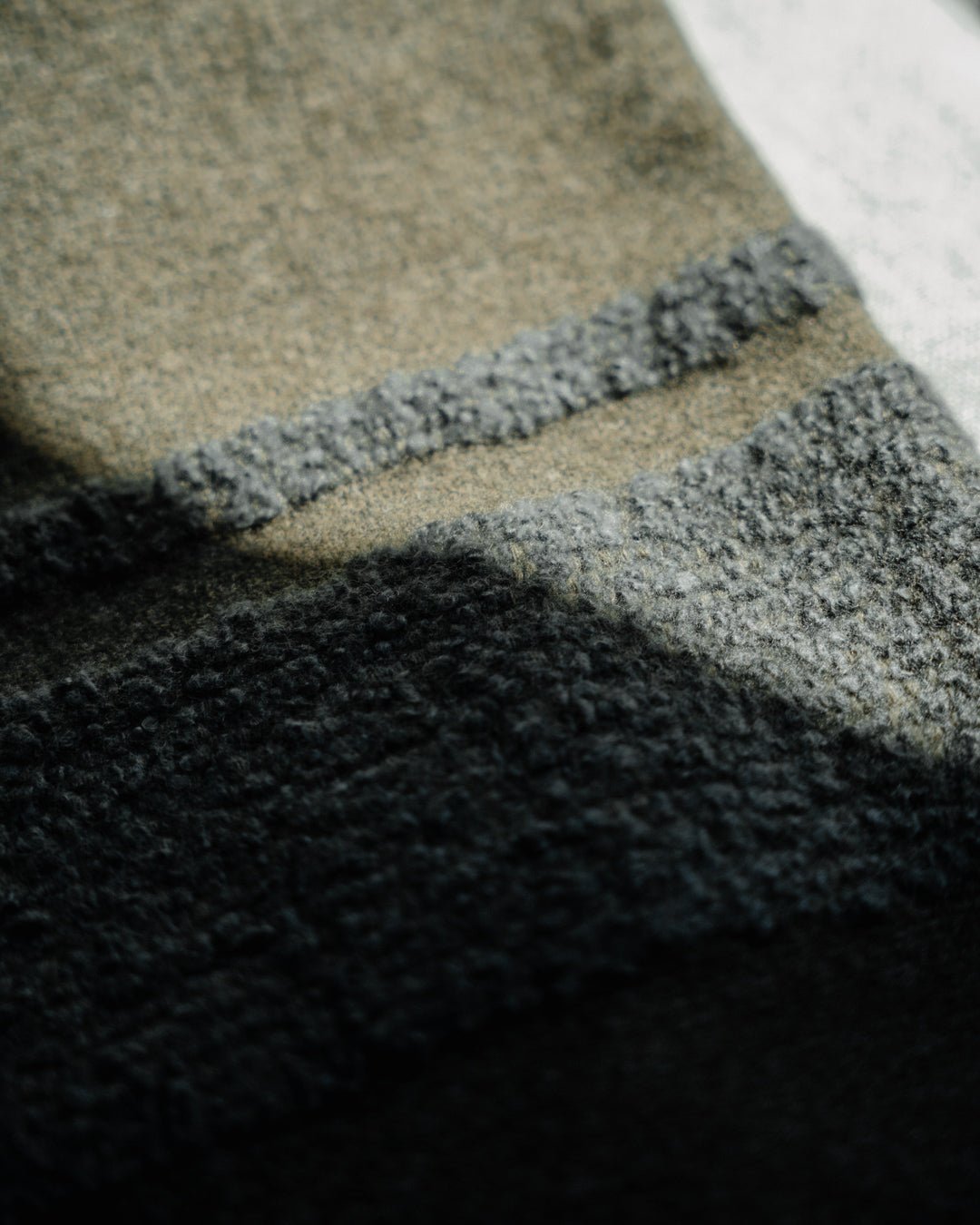
- Textiles: Pure wool, loden, felt, coarse linen. Robust, repairable, with fascinating aging properties. Leather, preferably natural and open-pored, adds character.
A core principle: few materials, but generous use. A wooden floor that incorporates wall paneling and furniture connections. A stone that runs from the fireplace to the bench and work surface. This creates a sense of calm.
Color worlds 2025: broken neutrals and cool shadows
Colorful statements give way to nuanced natural tones. The palette:
- warm greige and sand
- Mist green, sage and muted fir green
- Smoky blue and cool grey blue
- dark espresso and charcoal
- Accents in ochre or rust, used sparingly
Color often emerges from the materials themselves. An oiled larch floor brings honeyed warmth, a slate fireplace a deep coolness. Paint finishes remain ultra-matte, preferably with a high pigment density. A single, intense color per room is sufficient, rather than numerous small contrasts.
Texture as a design tool
Alpine spaces thrive on layering. Smooth glass next to rough plaster, soft wool carpet on aged floorboards, satin-finished metal on a grippy leather strap.
- rough surfaces: sawn wood, sandblasted stone, coarse linen cover
- soft surfaces: bouclé, fulled wool, velor with a short pile
- fine contrasts: satin brass, oiled walnut, cashmere blanket
A rule that simplifies planning: Each material family has a dominant texture and a subdued companion. For example, brushed oak plus a smooth, limed wall.
Form language: soft radii and clear bodies
In 2025, the silhouette will become softer. Radiused tabletops, rounded sofa edges, and chunky solid wood stools. These shapes take the edge off the space and invite touch.
- low, wide sofas instead of high backs
- solid dining tables with a thickness of 6 to 8 centimeters
- Installations flush with the wall, handles often as milled recessed grips
- Seating niches by the window with deep upholstery
Ornamentation hasn't disappeared; it's become constructive. Visible dowels, handcrafted joints, rough-sawn changes in the slatted cladding. The eye is given something to do without being overwhelmed.
Light: warm, layered, unobtrusive
Without good lighting, there's no atmosphere. In alpine spaces, the balance between daylight, indirect glow, and accentuated reading is key.
- Color temperature: 2400 to 2700 Kelvin in living areas, 3000 Kelvin in work areas
- dimmable lights, preferably controllable in groups
- Wall washers for plaster structures, LED profiles in the base area for floating furniture
- Protection from glare through full-surface, natural shades and sanded lenses
The fireplace remains the focal point, even if it's electric or bioethanol. Flames calm the rhythms of a hectic day. Candles can burn regularly again, ideally in heavy glass cylinders.
Tradition meets technology: invisible, useful, economical
Technical functionality is welcome, but visuals can remain understated. A few guidelines:
- Loudspeakers installed behind wool fabric or wooden slats
- Heating via surfaces, such as wall or underfloor heating, for clear lines
- Motion detectors in transition zones, manual switches in common rooms
- Smart control without intrusive touch panels, better with discreet buttons
Acoustic gains occur incidentally: fabric coverings, heavy curtains, carpets and bookshelves reduce reverberation.
Sustainability with origins
When you say "Alps," you're also talking about responsibility. Short distances, robust materials, and minimal interconnectedness.
- domestic wood with PEFC or FSC certification
- Natural stone from the region instead of imports, alternative ceramics with recycled content
- natural surfaces: oil, wax, lime, soap instead of thick varnishes
- Repairability as a criterion for upholstered furniture and technology
Durability beats newness. A table that develops a patina becomes endearing. A carpet that can be washed and mended remains.
Comparison of common materials 2025
| material | Optics and haptics | Care requirements | Suitable rooms | Note on origin |
|---|---|---|---|---|
| Oak, oiled | warm, porous, lively | oil regularly | Living, eating, sleeping | local forestry companies |
| Larch, soaped | lighter, slightly reddish | soap, aftercare | Floors, ceilings, furniture | short routes in the Alpine region |
| Slate, brushed | dark, cool, structured | occasionally impregnate | fireplace, kitchen, bathroom | regional quarries |
| Jurassic limestone | bright, cloudy, chalky-matte | easy-care, acid-sensitive | Bathrooms, hallways | from southern Germany |
| Lime plaster | velvety-matt, fine clouding | hardly, spot repairs | Walls, ceilings | mineral, permeable |
| wool carpet | soft, warm, sound-reducing | vacuum regularly, clean gently | Living and sleeping rooms | Virgin wool, ideally mulesing-free |
| Loden/felt | dense, durable | ventilate, spot clean | Curtains, panels | made from sheep's wool |
| leather, natural | smooth, patinated over time | grease, protect from sun | Armchairs, handles | vegetable tanned preferred |
Furniture statements with a calm aura
A room needs anchor points. In 2025, these will be few, but precisely selected pieces.
- Solid wood dining table, 220 to 260 centimeters, visible grain
- Bench with backrest, covered with loden, plus two striking armchairs
- low coffee table made of stone, robust and sculptural
- compact daybed near the window for reading
- Sideboard with slatted front, flush with the wall
Metal appears as an accent: burnished brass, blackened steel, matte nickel. Nothing shines excessively; everything appears understated and handcrafted.
Textiles and layering
Textiles are the quiet power in a room. They cushion, warm, and connect.
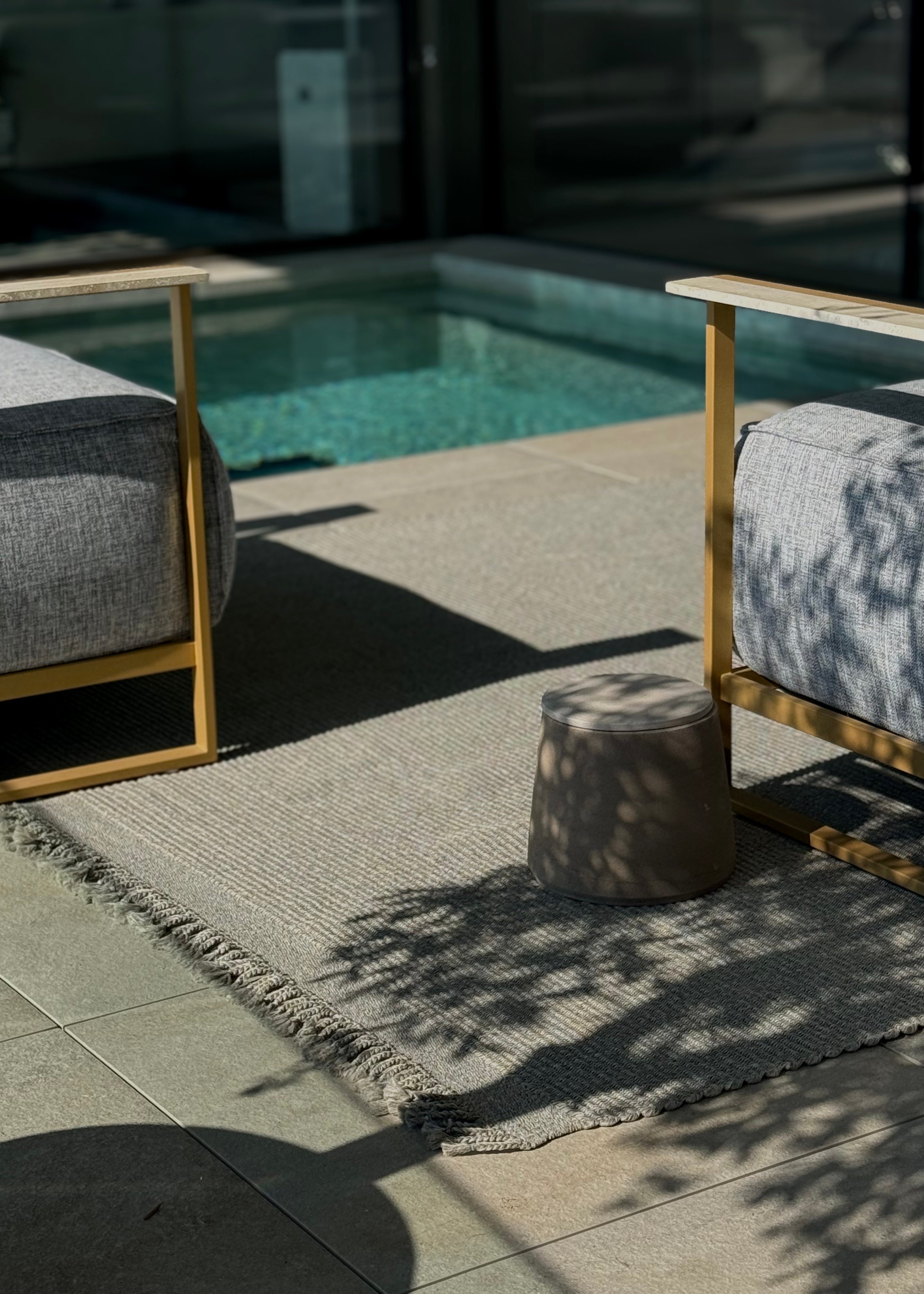
- two carpets on top of each other, coarse jute flooring as a base, above a dense wool kilim
- Curtains made of heavy loden, floor-length and lined
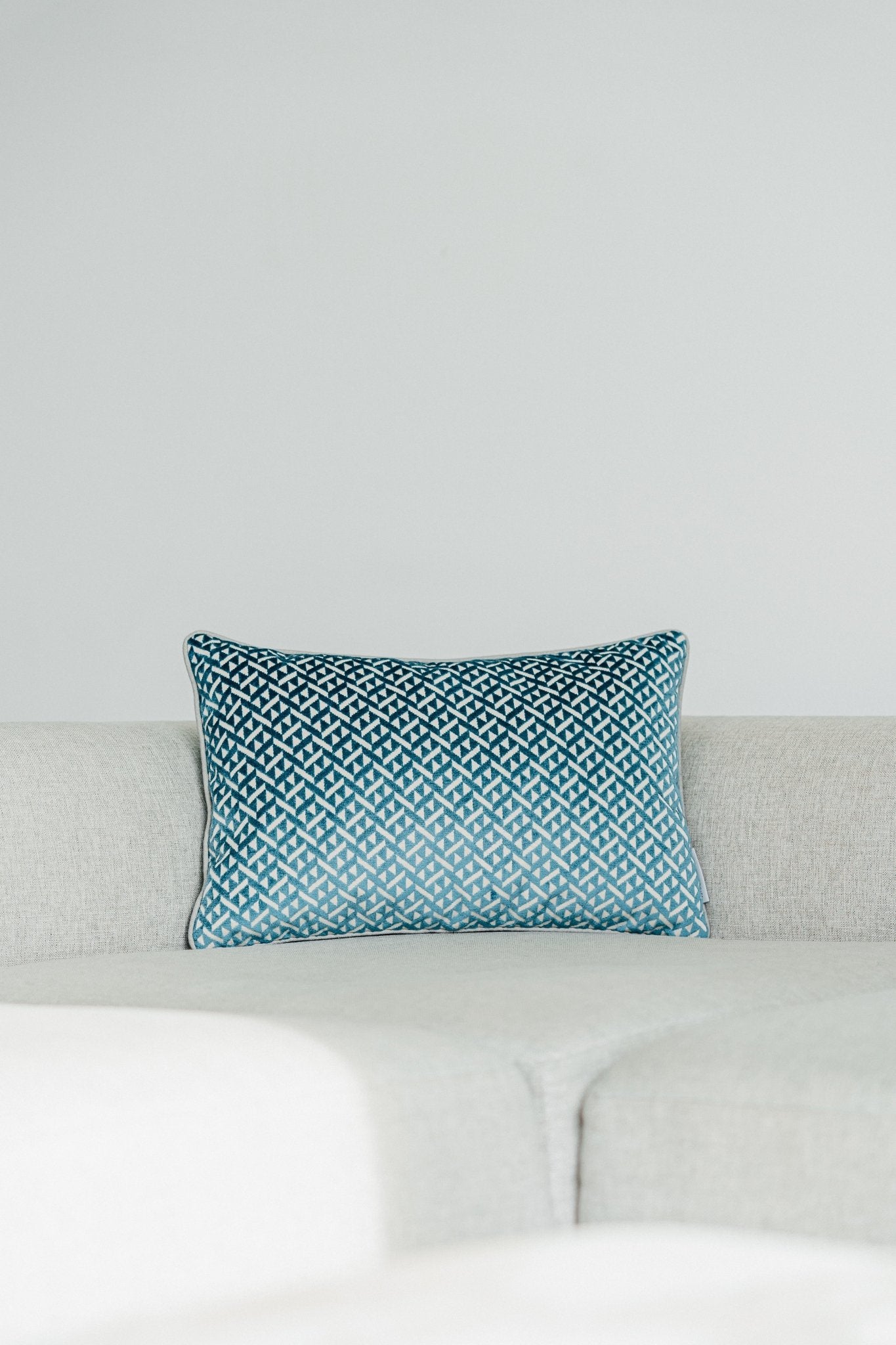
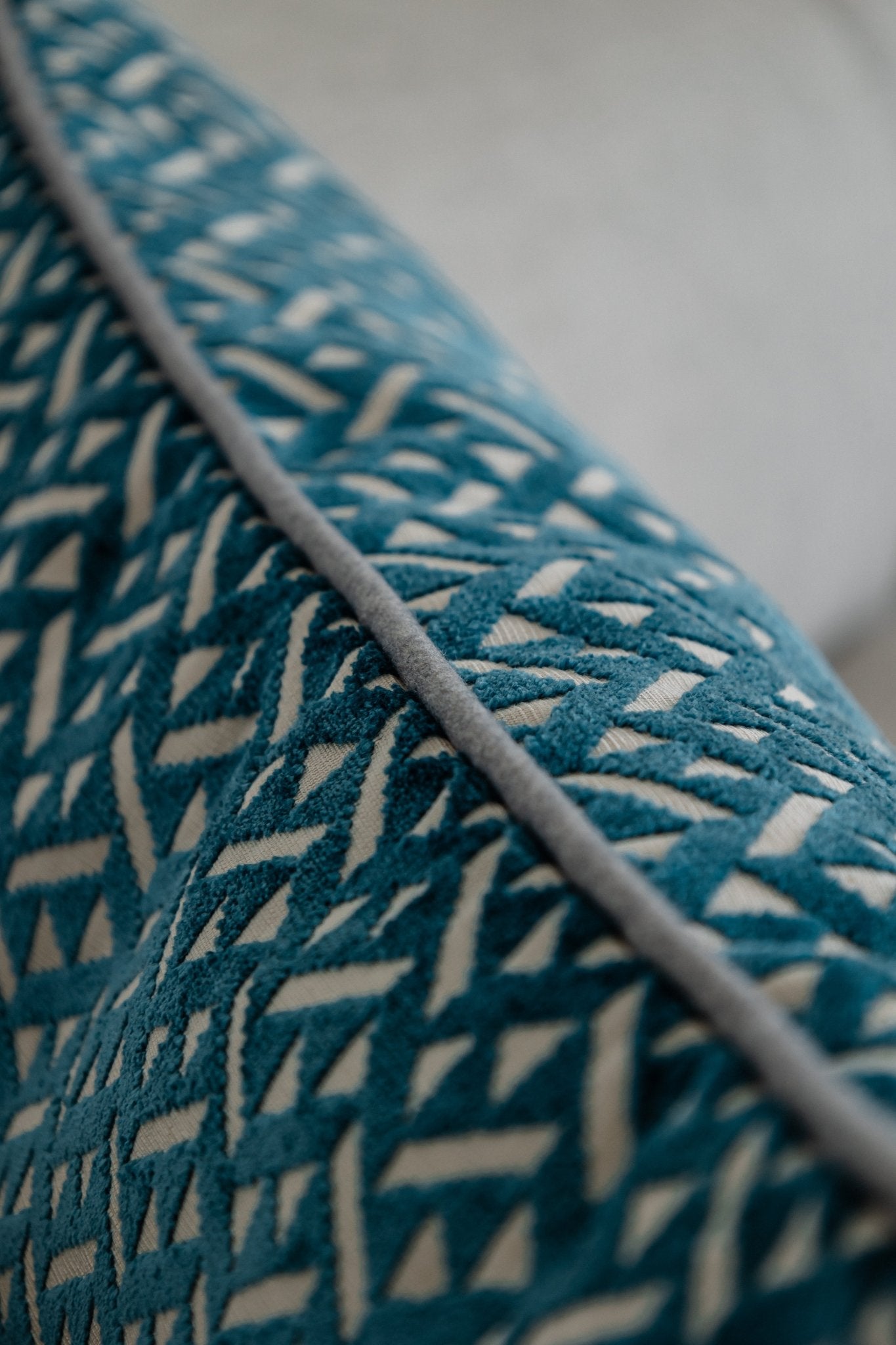
- Cushion mix in wool, bouclé and linen, tone-on-tone instead of colorful prints
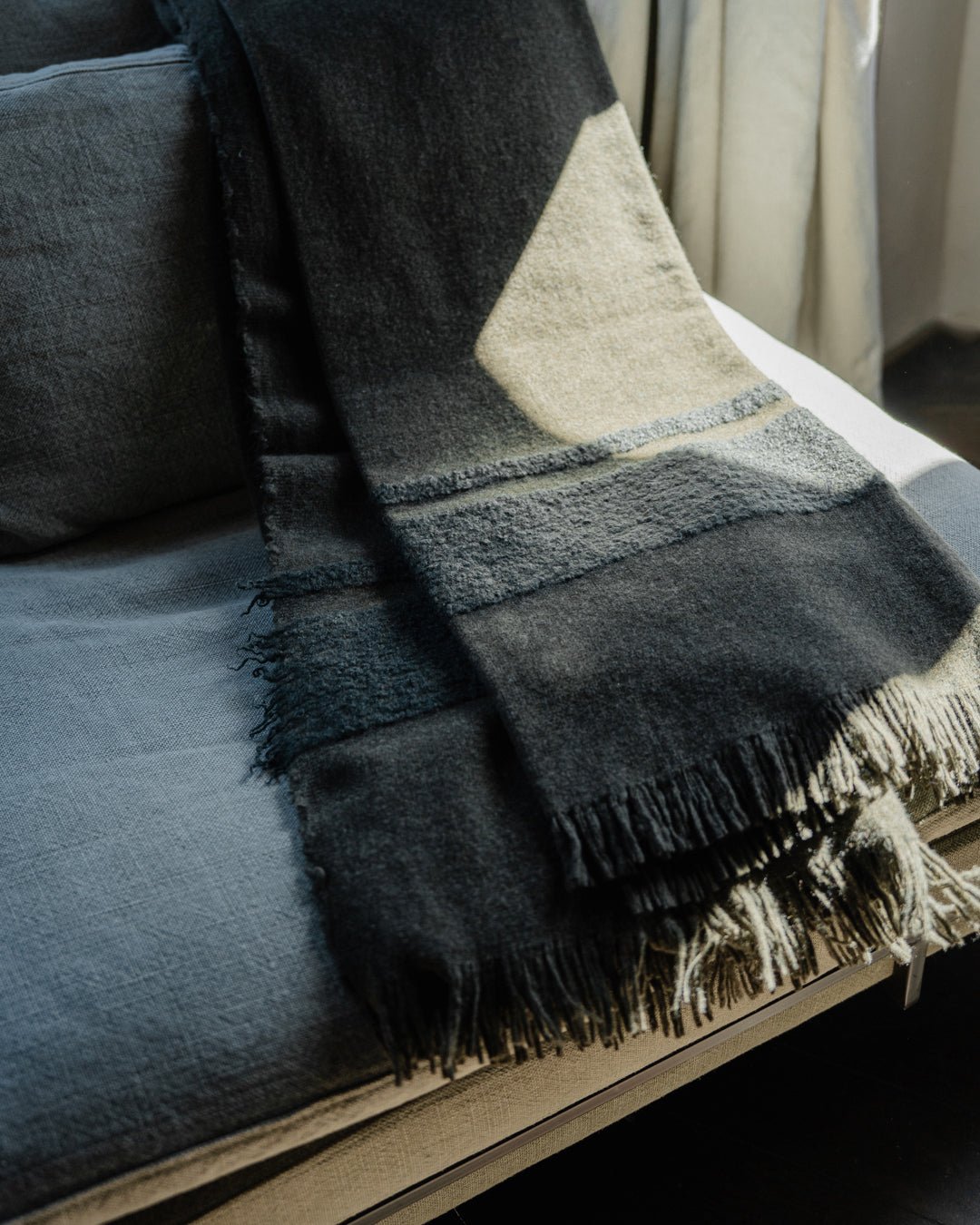
- Plaids in cashmere or merino wool, fringed or with a wide hem
Patterns may appear, but they should be large and calm: herringbone in wood, grain in stone, wide stripes in curtains.
Walls, ceilings, fixtures
Wall paneling at shoulder height creates a sense of security without adding weight. Plaster remains visible above. Ceilings can be easily suspended to accommodate indirect lighting and acoustic measures.
Built-ins are king: Wardrobes flush with wall pockets, kitchens with continuous baseboards, shelves with vertical slats for rhythm. Doors ideally floor-to-ceiling, with concealed hinges and magnetic closers.
Alpine modern cuisine
The kitchen becomes more homely. Fronts in oiled oak or matte sage, work surfaces in Jura limestone or quartzite, and back walls in lime plaster, partially protected by glass.
- handleless fronts with milled recessed grips
- open niches with wooden back wall for ceramics and glasses
- Cooking island with extra-deep worktop, seating on one side
- Devices flush, strips minimal, fan in ceiling duct
Lighting is provided by linear profiles under the wall cabinets and a quiet pendant light above the island. Noise is reduced by felt glides, felt in drawers, and acoustic panels.
Bathroom with spa character
Calm water, warm materials, subdued lighting. In 2025, this means large tiles or seamless surfaces, dark fixtures, and plenty of storage.
- Floors made of quartzite or porcelain stoneware with a natural stone look
- Walls in lime smoothing, in wet areas with microcement or large-format ceramic
- Solid wood washbasins with natural stone basins
- Fittings in brushed black chrome or aged brass
A bench in the shower, niches for toiletries, a towel warmer made of simple round tubing, and a mirror with soft backlighting (2400 Kelvin).
Small spaces cleverly designed
Even 40 square meters can have an alpine feel. The key: storage space, multi-use, and bright surfaces.
- Platforms with drawers under the sleeping alcove
- Folding table on the wall made of solid oak for two functions
- Light wood types, lightly soaped, mirror opposite windows
- Sliding doors instead of hinged doors to save space
A single mix of materials is sufficient: wood plus wool textiles plus plaster. Everything else is optional.
Urban Alpine Touch
Those who live in the city can set the tone without resorting to a cottage. A fireplace isn't a must. A solid dining table, loden curtains, a stone coffee table, and art that references the landscape instantly create atmosphere.
Industrial architecture tolerates heat particularly well. Concrete meets oak, steel windows meet wool. The contrast is invigorating.
Care and longevity
Natural surfaces require attention, but not dogma.
- Oil wood if it appears dry. Soap soaped surfaces every few months.
- Treat stains on lime plaster selectively with a damp sponge and a little soap, do not rub.
- Vacuum wool regularly and have it professionally laundered occasionally. Immediately soak red wine stains with cold water and salt, then dab gently.
- Place leather away from direct sunlight and lightly grease it annually.
- Impregnate natural stone depending on the type, avoiding acidic cleaners.
A small repair kit helps: wood wax, sanding fleece, felt pads, wood oil, wool thread for repairs.
Budget-oriented strategies
Not everything has to be custom-made. The effect is often achieved by using just a few high-quality surfaces.
- invest in floor and dining table, save on side tables and shelves
- choose a mid-priced sofa and cover it with high-quality wool fabric
- rely on regional carpenters for built-in units, often cheaper than branded custom-made furniture
- buy used lights and equip them with new LED bulbs
Upcycling brings character: old workbenches as consoles, sheep's wool scraps as seat cushions, shutters as wall panels.
Avoid common mistakes
- Mixing too many types of wood in one room
- use high-gloss varnishes on large surfaces
- Plan spotlights as main lighting
- Distribute accessories in large quantities instead of deliberately placing a few pieces
- Alpine clichés overloaded: antlers, checks, carvings in excess
Reduction is not renunciation, but concentration.
Sources and selection criteria
When purchasing, quality, origin, and repairability matter. A brief guide:
- Question about surface structure and care instructions.
- Insist on solid wood or sensible veneers with robust edges.
- Check whether covers are interchangeable and whether replacement materials remain available.
- Look for realistic warranties and on-site service.
- Please provide leftover pieces from the material batch for later repairs.
If you order online, you should order sample boxes, check them in different places in the room throughout the day, and view them in both daylight and artificial light.
Three spatial examples as guiding principles
- The tranquil living room: wide, soaped oak floorboards, warm gray lime plaster, a wool sofa, a quartzite coffee table, sage loden curtains, and linear wall washers. A large, frameless black-and-white landscape photograph.
- The convivial kitchen: oak fronts, Jura limestone countertop, niches with wooden backs, pendant light with linen shades, solid wood stools. Exposed ceramics in natural tones, flush-mounted appliances.
- The restful bedroom: wall panel behind the bed in rough-sawn fir, bed linen in washed linen, deep-pile wool carpet, light as an indirect frame, bedside tables as a block of walnut.
Each example thrives on a calm palette, a tangible feel, and a few unique pieces.
Step-by-step checklist for getting started
- Define mood
- Choose three adjectives, for example calm, warm, grounded
- choose a motif, such as stone structure or wood grain, that repeats
- Set palette
- two base materials plus one accent material
- a wall color, an accent color
- Planning basic lighting
- At least three types of light per room: indirect, area light, accent
- dimmable and warm
- Prioritize furniture and fixtures
- Focus budget on 2 to 3 key pieces
- Plan installations early to adapt electrical and heating systems
- Layering textiles
- Carpet base, curtains, cushions, plaids
- Consider acoustics
- Ensure care and repurchase
- Store samples, leftovers, care products
- Document replacement covers and spare parts
This framework creates an alpine living atmosphere that is durable, easy to maintain, and a joy to be in every day. Rooms that breathe instead of screaming. And that become even more beautiful over time.