A chalet with a sense of style is more than just a retreat. It's an attitude that harmonizes nature, craftsmanship, and comfort. This includes furnishings that radiate warmth, are precisely planned, and convey quality in every square meter. Anyone who associates this with rustic heaviness underestimates how light and contemporary an Alpine interior can be.
The best chalet furnishings are a promise: a little mountain air for the senses every day.
The character of a chalet: warmth meets clarity
Traditional chalets are characterized by wood, but today's demands demand calm, proportion, and subtle contrasts. Rooms are particularly inviting when they are not cluttered. A mix of wide floorboards, textured natural stone, and purist forms creates a setting that will remain contemporary for years to come.
Don't be afraid of modern lines. Straight edges, understated handles, flush-mounted fixtures, and technically precise details create a light look without losing the soul of the home. The secret lies in balance: warm materials, clear geometry, and sophisticated lighting moods.
Material architecture: wood, stone, textile
Haptics shape memories. When you enter a room, you read with your hands. A high-quality chalet therefore relies on authentic materials that are allowed to age. Brushed woods tell stories. Natural stone with delicate veins brings calm. Heavy wool, loden, and cashmere add depth.
When it comes to wood, it's worth differentiating. Exposed beams and wall paneling can have a soft and warm appearance, for example, with reclaimed wood or thermally treated larch. Floors need robustness and a finish that allows for patina. Furniture benefits from finer woods such as walnut or smoked oak, which age gracefully.
Stone comes in two styles: a rough texture with a chipped edge for fireplaces and baseboards, or a velvety polished surface for bathrooms and kitchen islands. Both options can be combined with dark metal accents such as burnished brass or patinated steel.
Wood types in comparison
| Wood type | shade | Grain and feel | Care requirements | Ideal for |
|---|---|---|---|---|
| Reclaimed spruce/fir wood | Warm, golden to honey | Highly structured, rough | Medium | Wall paneling, ceilings |
| smoked oak | Dark, tobacco | Fine to medium, dense | Low | Floors, furniture, stairs |
| walnut | Medium to dark, warm | Elegant waves, silky | Medium | Tables, sideboards, doors |
| Larch thermal | Reddish to brown | Striking, lively | Low | Facades, ceilings, window reveals |
| Swiss stone pine | Light, slightly yellowish | Soft, fragrant | Medium | Bedrooms, panels |
| Black stained ash | Deep dark | Clear, modern | Medium | Contrast elements, frames |
Color palettes, contrasts and light
A chalet thrives on a calm basic palette. Creamy off-whites, warm grays, and soft brown nuances dominate the surfaces. Two or three accent colors are added, placed on cushions, rugs, art, or lighting. Dark contrasts add depth, for example, in the form of black window frames, dark stone tiles, or smoked wood panels.
Material contrasts instead of bright color fields create intensity. Velvet next to leather, rough natural stone next to polished metal, coarsely woven wool next to soft mohair. This creates variety without creating a sense of unease.
Lighting planning in layers
Light defines mood. In the mountains, daylight changes more quickly, and in the evening, the space becomes a stage set of shadows and highlights. A well-thought-out lighting strategy works in layers:
- Ambient lighting: Discreet, dimmable, glare-free. Recessed downlights with a warm white color temperature of around 2700 Kelvin.
- Accent lighting: Spotlights on artwork, textured walls, and fireplace surrounds. Preferably with a narrow beam angle for precise cones.
- Indirect light: LED profiles behind wall panels, under benches, and in ceiling coves. They create depth and tranquility.
- Functional lighting: pendant lights above the dining table, work lights in the kitchen, mirror lighting in the bathroom.
- Mood lighting: table lamps, wall lights with fabric shades, portable battery-operated lights for patios and lounges.
A tip for instantly improving your room: Distribute light sources across multiple switches or scenes. One scene for breakfast, one for après-ski, one for late-night reading. Keep the color temperature a bit warmer in the evening to allow the wood tones to glow.
The fireplace as the centerpiece
The fireplace focuses attention and community. Its cladding can be distinctive, such as layered natural stone or large-format ceramic panels with a slate look. A flush bench made of stone or wood serves multiple purposes: seating, wood storage, and a decorative platform.
Technical details influence the effect. Flush-mounted fire protection made of frameless glass creates a more discreet effect than grille solutions. Airflow that doesn't discolor the wall saves on future renovations. Those who want to enjoy the flickering flames in multiple rooms should plan for open views with a double-sided fireplace.
Kitchen and dining area: Sociability with sophistication
The chalet is a place for cooking, laughter, and tasting. A cooking island with a solid stone countertop provides both a stage and a work surface. Smoked oak or blackened steel cabinet fronts set the architectural tone. Open shelves with illuminated compartments display ceramics, glasses, and regional delicacies.
Function is king here. The kitchen needs robust surfaces, quiet fittings, and a careful storage concept. Apothecary cabinets, custom-made spice drawers, integrated wine coolers, and concealed appliance hoods create order.
Practical details that make everyday life better:
- Water point with boiling and filtered water directly on the island
- Cutting boards that run on rails above the basin
- Scratch-resistant, matt worktops made of sintered ceramic or natural stone with a leather finish
- Banquet solution at the window with a view and storage space under the seat
- Pendant lights with warm, glare-free light and height adjustment
The dining table can be generously proportioned. Solid wood with fine edges, combined with upholstered armchairs in loden or leather, ensures long evenings. A sufficiently large rug frames the area and improves the acoustics.
Spa and bath: tranquility with substance
Nothing is more relaxing than a spa with a clean, minimalist design. Large-format stone tiles on the floor and walls create a flowing space. A freestanding tub or an oversized walk-in shower with a linear drain creates an inviting effect.
Fittings in burnished brass or black chrome add sophisticated accents. Wood can also be incorporated into the bathroom, for example, as a vanity top made of thermally treated larch or as a panel with a vertical slatted structure.
Features that make the difference:
- Sound-insulated ventilation and decoupled floor structure
- Underfloor heating with zone control
- Seats in the shower, heated towel rails
- Diffuse, indirect light behind mirrors and under consoles
- Sauna area with glass front to the relaxation zone
Bedrooms and retreats
Bedrooms benefit from muted colors, heavy drapes, and accentuated textures. Headboards in fabric or leather absorb sound and create a luxurious effect. Pine panels exude a pleasant scent and create a gentle indoor climate.
Storage space is best integrated into floor-to-ceiling cabinets whose fronts are flush with wall panels. Wooden or leather handles match the tone of the room. Deep-pile rugs next to the bed make the first steps in the morning soft.
A small desk or a reading chair with a floor lamp completes the room. Not large, but carefully positioned.
Textiles, carpets, draperies
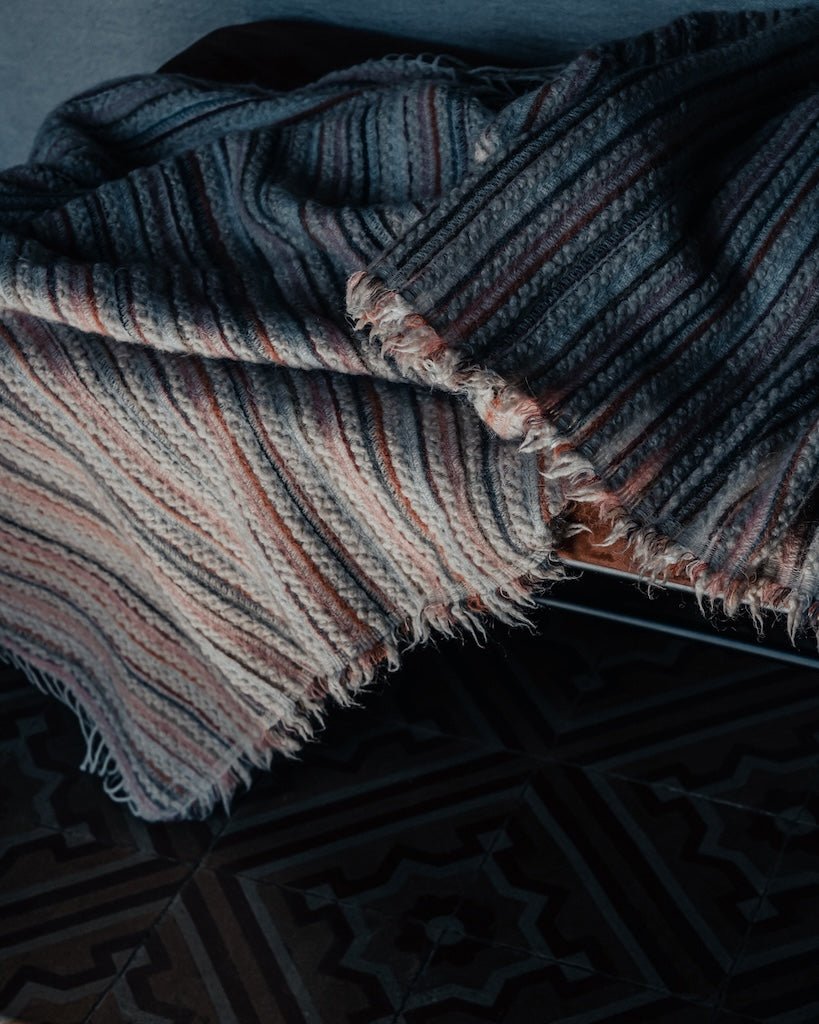
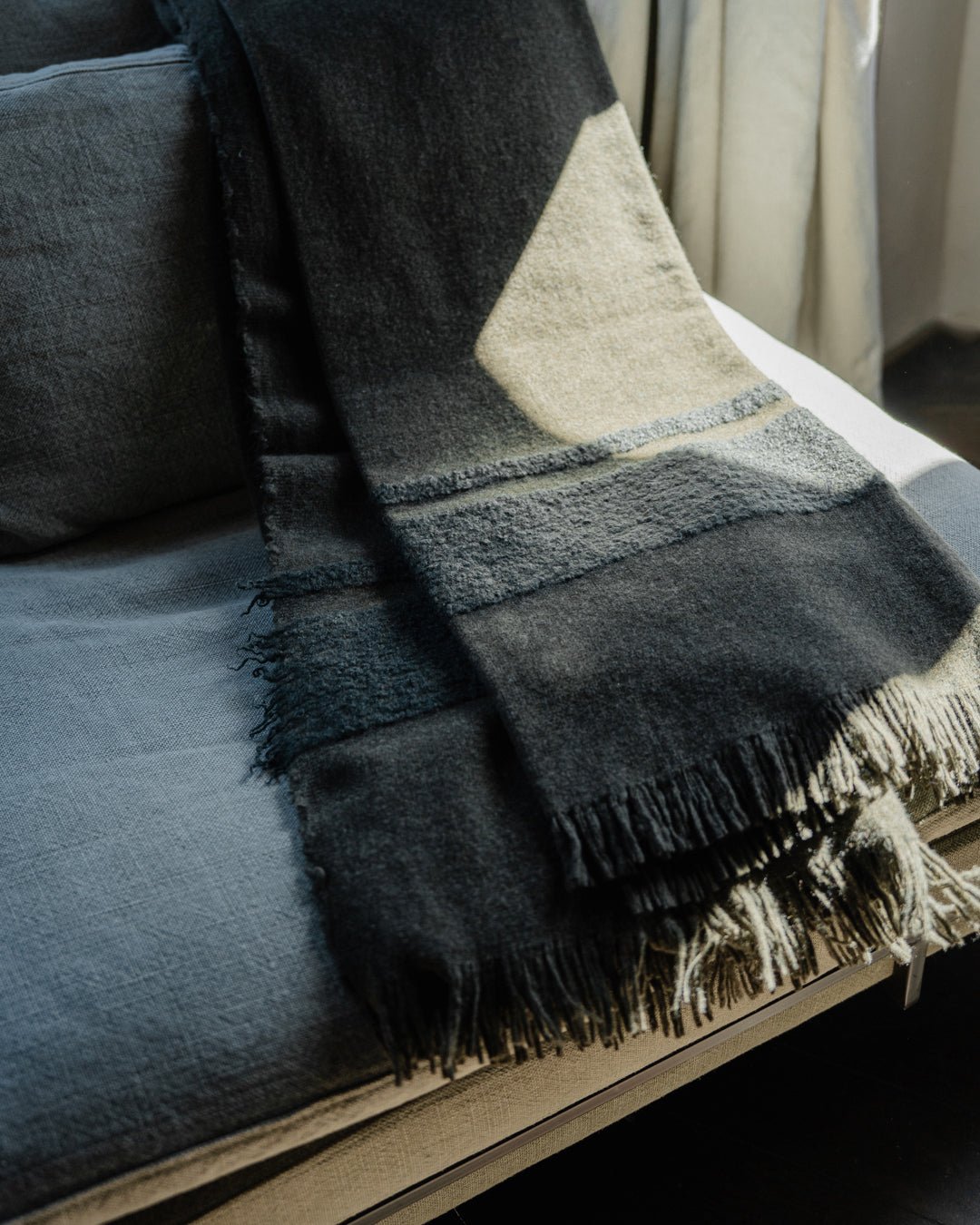
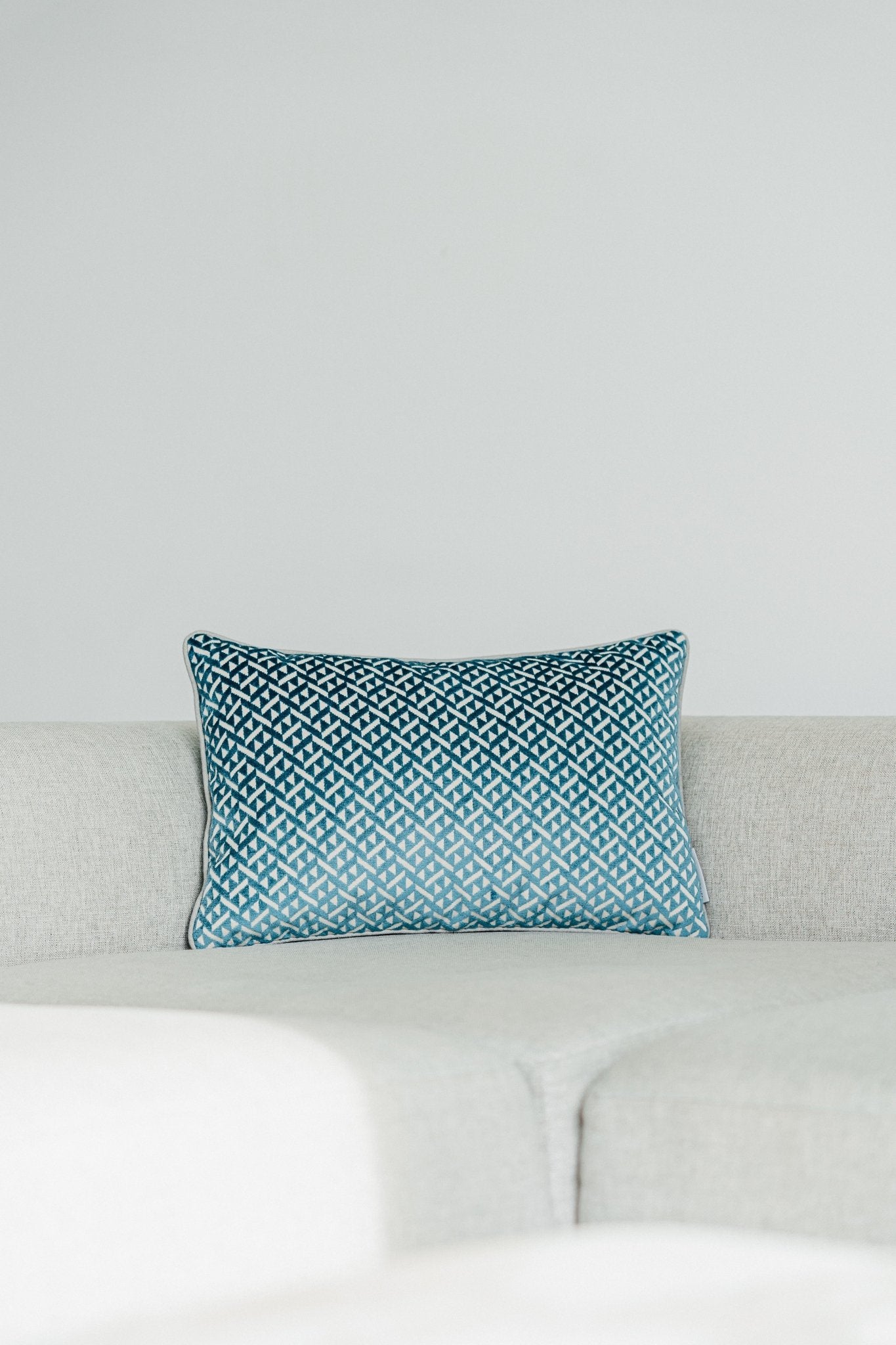
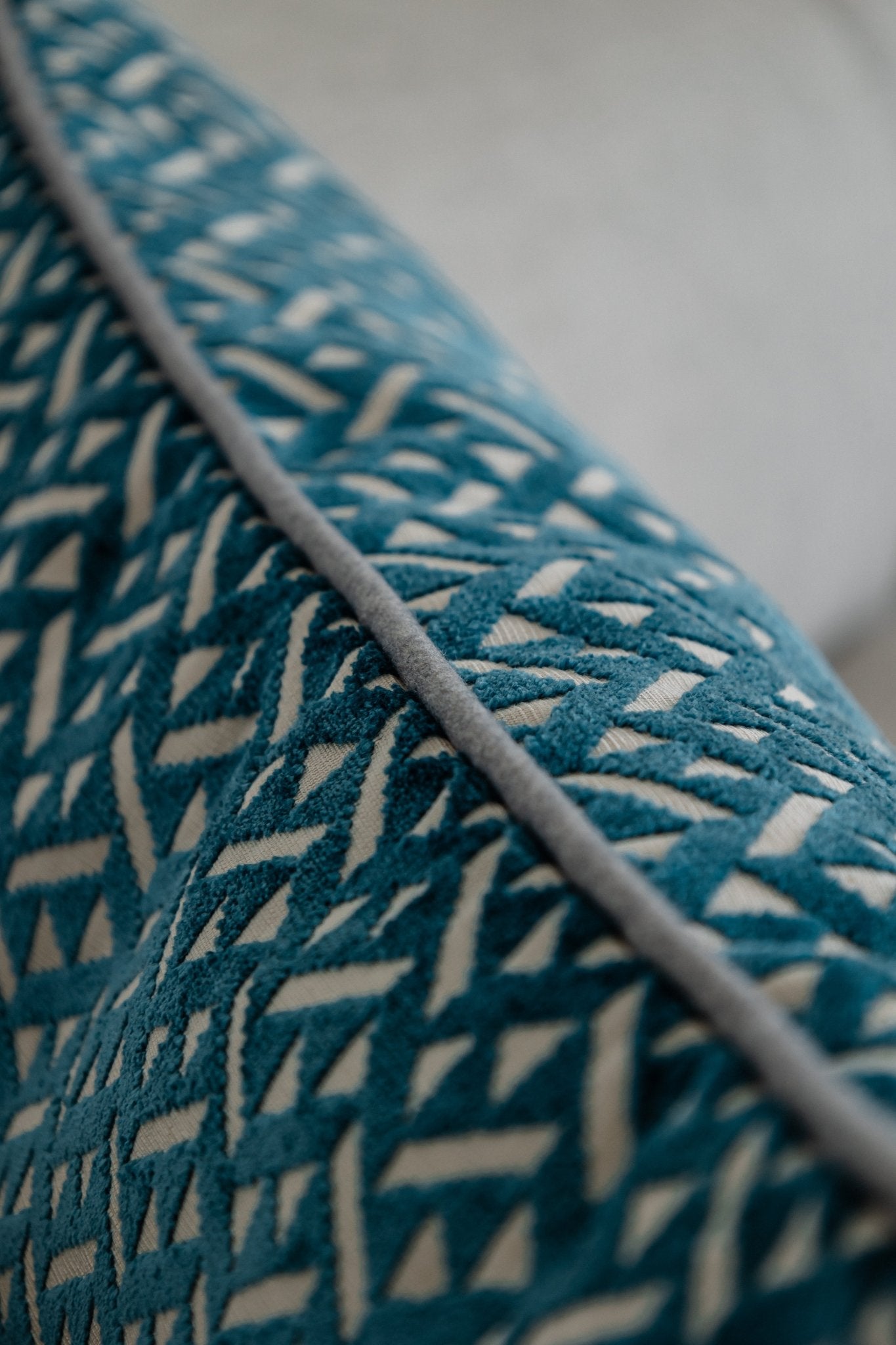
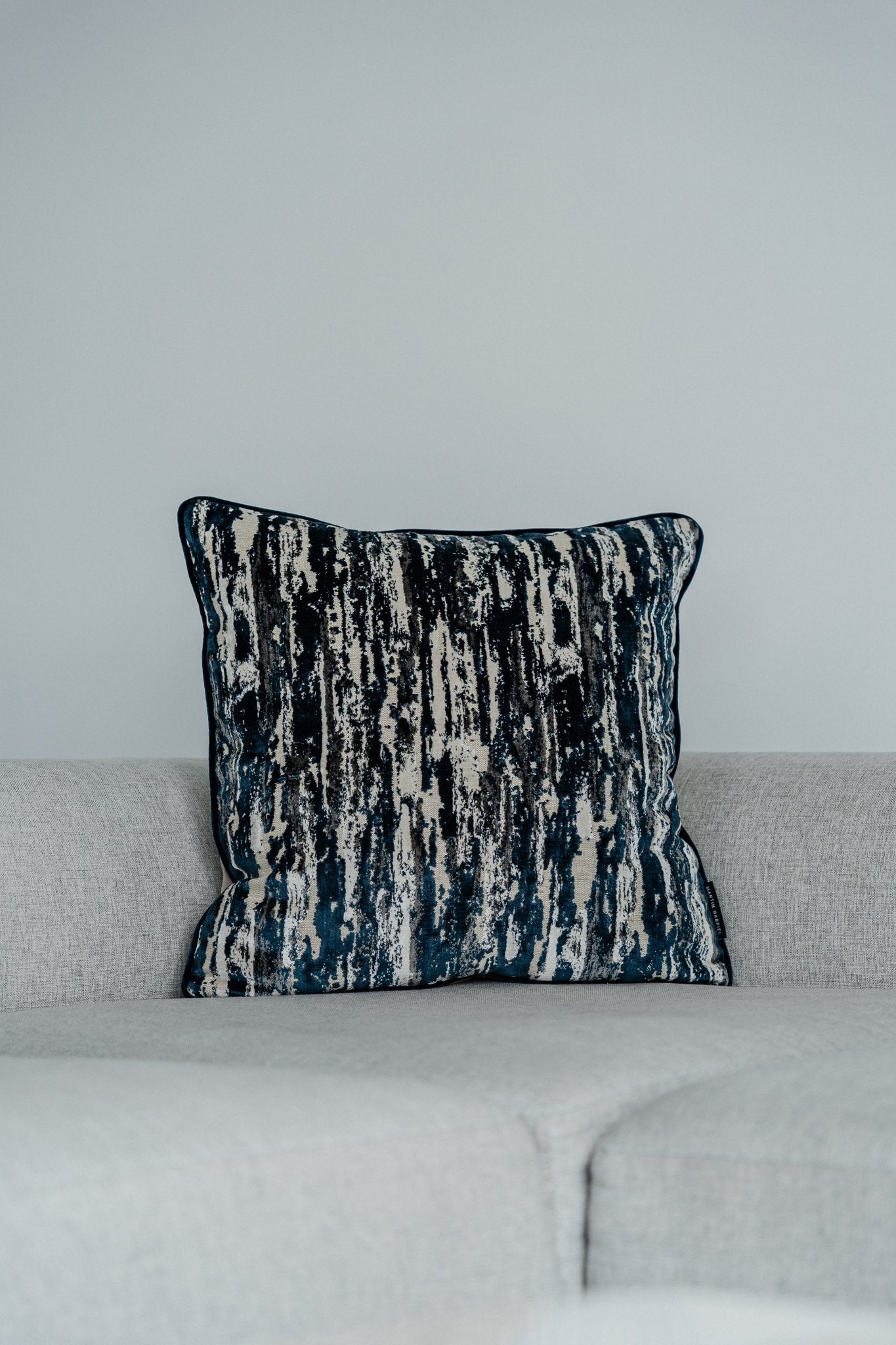
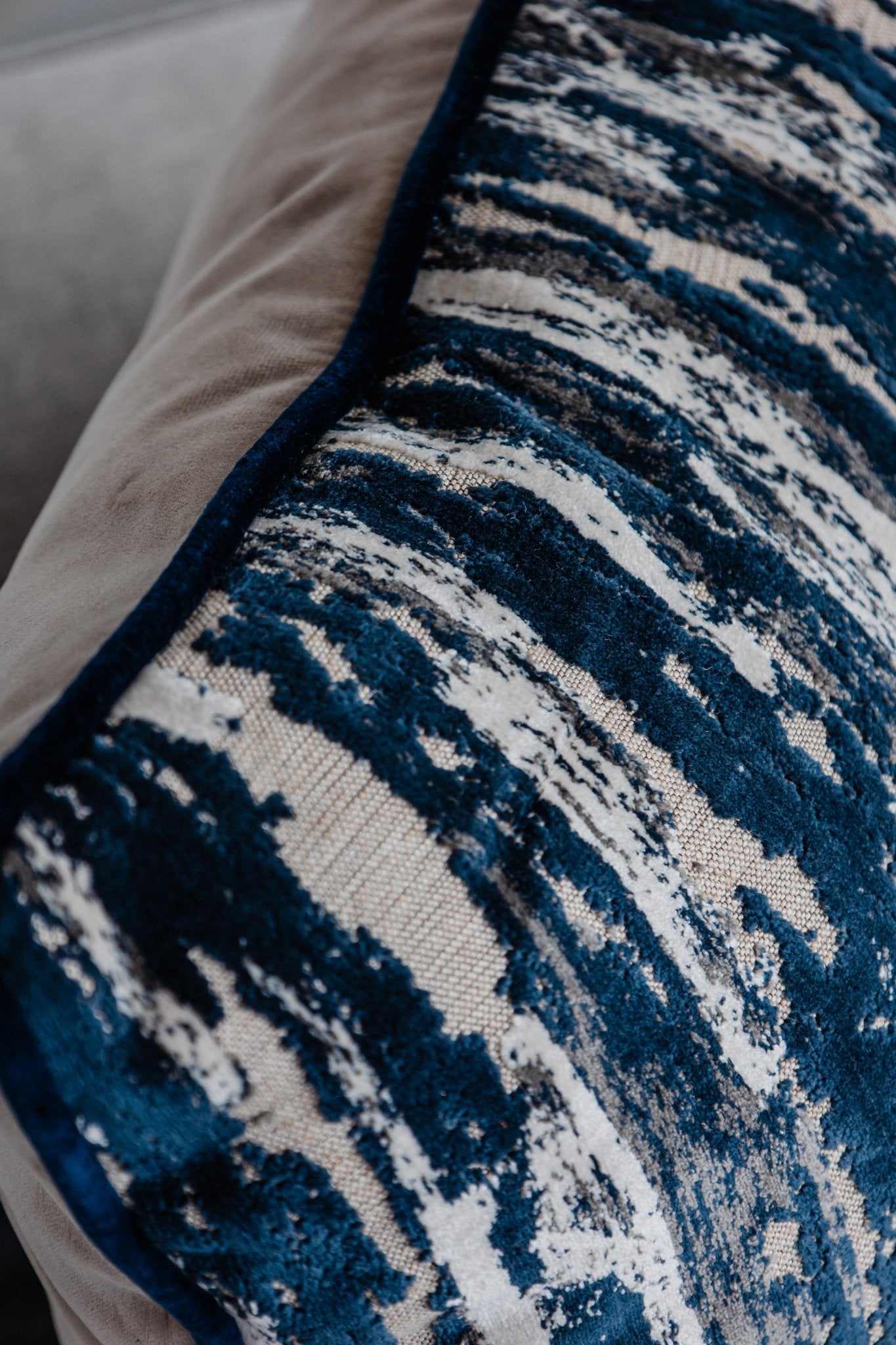
Textiles bridge the gap between appearance and feeling. A double-faced cashmere throw, cushions with fine piping, and curtains with lining and concealed rails instantly transform the impression of a room. Loden and wool exude authenticity, while linen brings a light touch for summer.
Rugs should be large enough to define zones. Under sofas, always place them so that all the front legs are on the rug. Short-pile, easy-care textures are a good choice in dining areas, while deep, soft textures are acceptable in the living room.
Colors are elegantly applied via textiles. A touch of sage green, a warm burgundy, a muted blue. Nothing loud, everything carefully chosen.
Furnishing: Sculpture and comfort
A high-quality chalet avoids randomness. Instead, it features carefully selected pieces, often with a sculptural character. A sofa with clean lines and lush depth, a coffee table made of stone or solid wood, and armchairs with turned wooden arms as a nod to Alpine tradition.
Custom-made solutions are particularly worthwhile for built-in units: seating niches in the stairwell, library shelves with integrated lighting, and sideboards extended as wall panels. This creates a calm image without visual disruption.
Small pieces of furniture add accents: stools with a fur-look finish, side tables made of cast metal, and ceramic objects with a handcrafted signature.
Acoustics and comfort technology
Beautiful rooms sound good. Wood alone isn't enough to tame sound. Acoustic panels behind fabric, perforated wooden ceilings with black acoustic fleece, heavy curtains, and large rugs significantly reduce reverberation.
Climate comfort is a hidden quality. Underfloor heating provides widespread warmth, along with quiet, demand-controlled ventilation. In winter, humidification helps maintain stable air quality. Mechanical shafts and inspection openings planned behind furniture fronts ensure maintenance without visibly disrupting the design.
Control, scenes, smart details
A chalet that's intuitive to operate immediately feels high-quality. Typical scenes can be accessed using scene buttons or via an app: arrival, cooking, dining, fireside evening, sleep, departure. Shutters, lighting, temperature, and music are linked so that the room changes its mood with a tap of the finger.
Sensor technology is a tool, not an end in itself. Presence detectors in the hallway, humidity sensors in the bathroom, window contacts for lowering the heating. Integrated speakers in ceilings or furniture remain invisible but deliver rich sound. Carefully dimension the network and technical room to ensure smooth installation and future expansion aren't a hurdle.
Art, Curating, Accessories
Art conveys attitude. It needs space, light, and a context that doesn't compete with the rest. It's better to have a few select works that fit the material canon than too many small decorations. Wooden or metal frames, gallery rails, or selective wall hooks, all carefully placed.
Accessories can be raw and authentic: ceramics from a regional workshop, wooden bowls, woven blankets, old skis on the wall as a statement, not as kitsch. A bouquet of dried flowers or branches that suit the season often looks more harmonious in a chalet than classic cut flowers.
Transition to the outside: terrace, balcony, entrance area
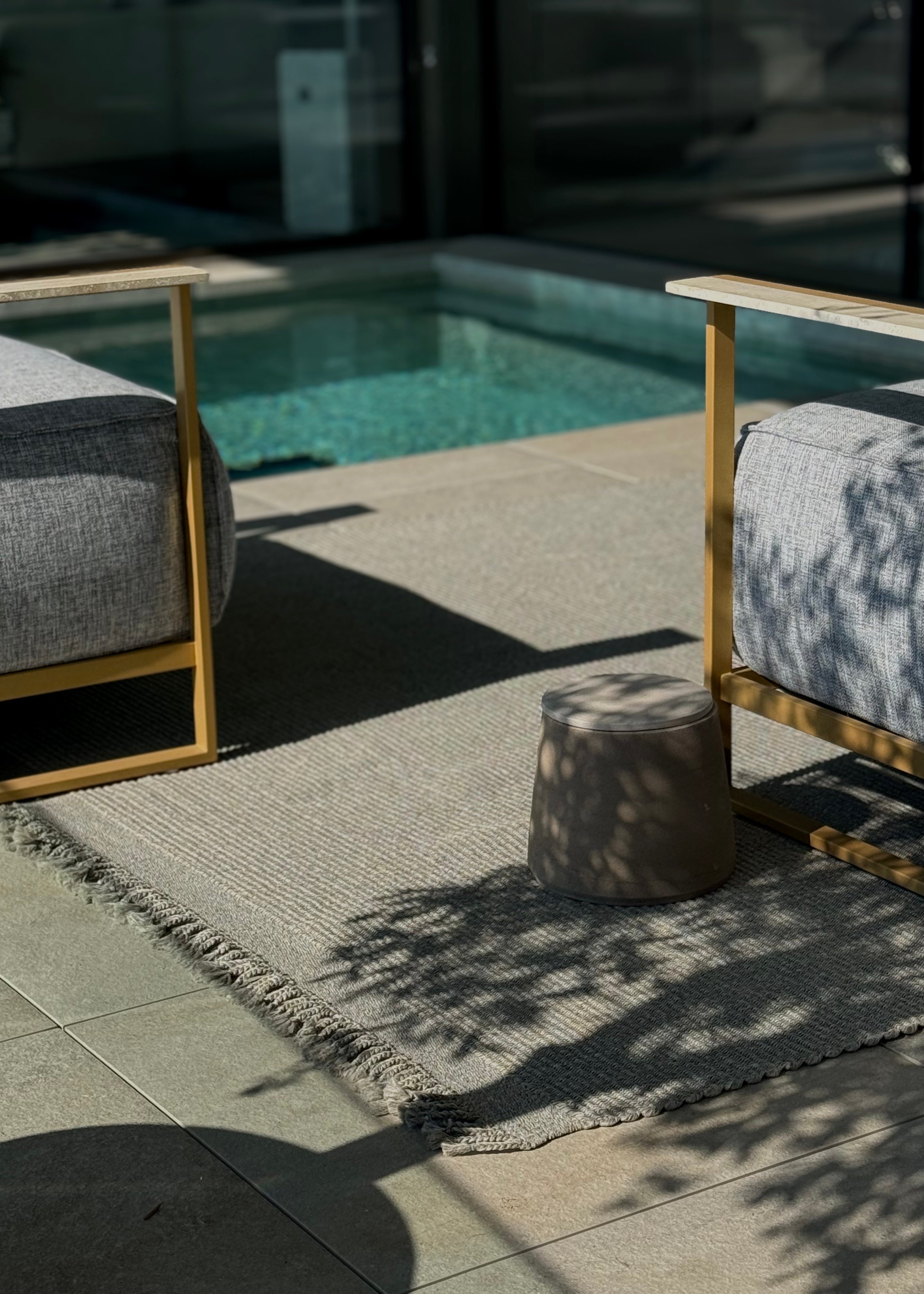
The transition from the interior to the terrace shapes the daily routine. Large sliding elements with narrow profiles open up the view. Exterior flooring made of thermo-treated wood or stone in the same format as the interior extends the spatial effect. Weatherproof furniture in teak, aluminum, or stainless steel is provided, and cushions are taken from the chest.
Function counts in the entrance area. An inviting bench, a hook rack, ventilated cabinets for outdoor clothing, and a robust flooring with a dirt trap are essential. For ski rooms, heating elements for boots, ventilated lockers, and an easy-to-clean floor are a good idea. If you have space, plan a washing station nearby.
Practical outdoor details:
- Outdoor hot water connection for quick cleaning
- Ceiling heater on the terrace for long evenings
- Indirect light in steps and railings
- Sockets for battery chargers and mobile lights
Origin, craftsmanship, responsibility
A luxurious chalet also speaks volumes about the origin of its materials. Certified wood, stone from traceable sources, and textiles without problematic finishes create a sense of well-being. Working with regional companies ensures authenticity and quality in workmanship.
Longevity is the true essence of sustainability. Solid fittings, high-quality varnishes and oils, textile sun protection instead of pure plastic solutions, replaceable covers on upholstered furniture. Repairability instead of a throwaway mentality.
Budget and priorities
Not everything has to be expensive, but some things should. Focusing on the surfaces that are in daily contact pays off.
Sensible investments:
- Floors that last for decades and can be sanded
- Fittings, hinges, drawers with high load capacity
- Mattresses, slatted frames and bed linen
- Lighting design and dimmable, high-quality luminaires
- Sanitary fittings and ceramics that work reliably
- Custom-made installations in places with complex geometries
Where you can save without sacrificing style:
- Refresh your decorations seasonally instead of buying big
- Replace covers for decorative cushions instead of entire furniture
- Combine mid-priced dining chairs with high-quality seat cushions
- Secondary light with solid but not iconic models
Sizes, proportions, ergonomics
Luxury is evident in the ease of use. A sofa with adequate seat depth and back support is worth more than a spectacular shape. Tables 74 to 76 centimeters high, chairs with seat heights of 45 to 47 centimeters, and armrests that slide under the tabletop are relevant for everyday use.
Proportions must fit the space. Large rooms accommodate wide-set furniture and rugs in generous sizes. Small spaces benefit from vertical play with slats, mirrors, and slender, high-legged furniture.
Care and patina
Materials in a chalet are allowed to age, but they should age well. Oiled wooden floors gain character when re-oiled regularly. A leather finish on stone conceals fine scratches. Wool is self-cleaning to a certain extent, but regular airing and gentle beating helps.
A care plan helps:
- Quarterly oil care for heavily used wooden surfaces
- Annual stone impregnation in kitchen and bathroom
- Dust protection for textiles during summer breaks
- Controlled humidity between 40 and 50 percent to protect wood and respiratory tract
Checklist for getting started
- Define the guiding principle: warm and calm, modern with an alpine accent, or classic with fine details
- Define material canon: two woods, one stone, one metal, two main textiles
- Plan lighting moods: create scenes, provide dimmers, select luminaires according to function
- Choose the centerpiece: fireplace, dining table or spa as the focus
- Consider acoustics: carpets, curtains, panels
- Integrate storage space: wardrobe, ski room, utility areas
- Consolidate technology: clean technical room, sufficient cabling, inspection openings
- Check furniture dimensions and proportions: Lay out templates on the floor, test walkways
- Accepting care and patina: Choose surfaces that look even more beautiful over time
- Incorporate regional crafts: carpenters, upholsterers, ceramics, stonemasons
A carefully furnished chalet isn't just impressive in winter. It's a place that demonstrates every day how well materials, light, and proportions work together. This is precisely what true luxury is.