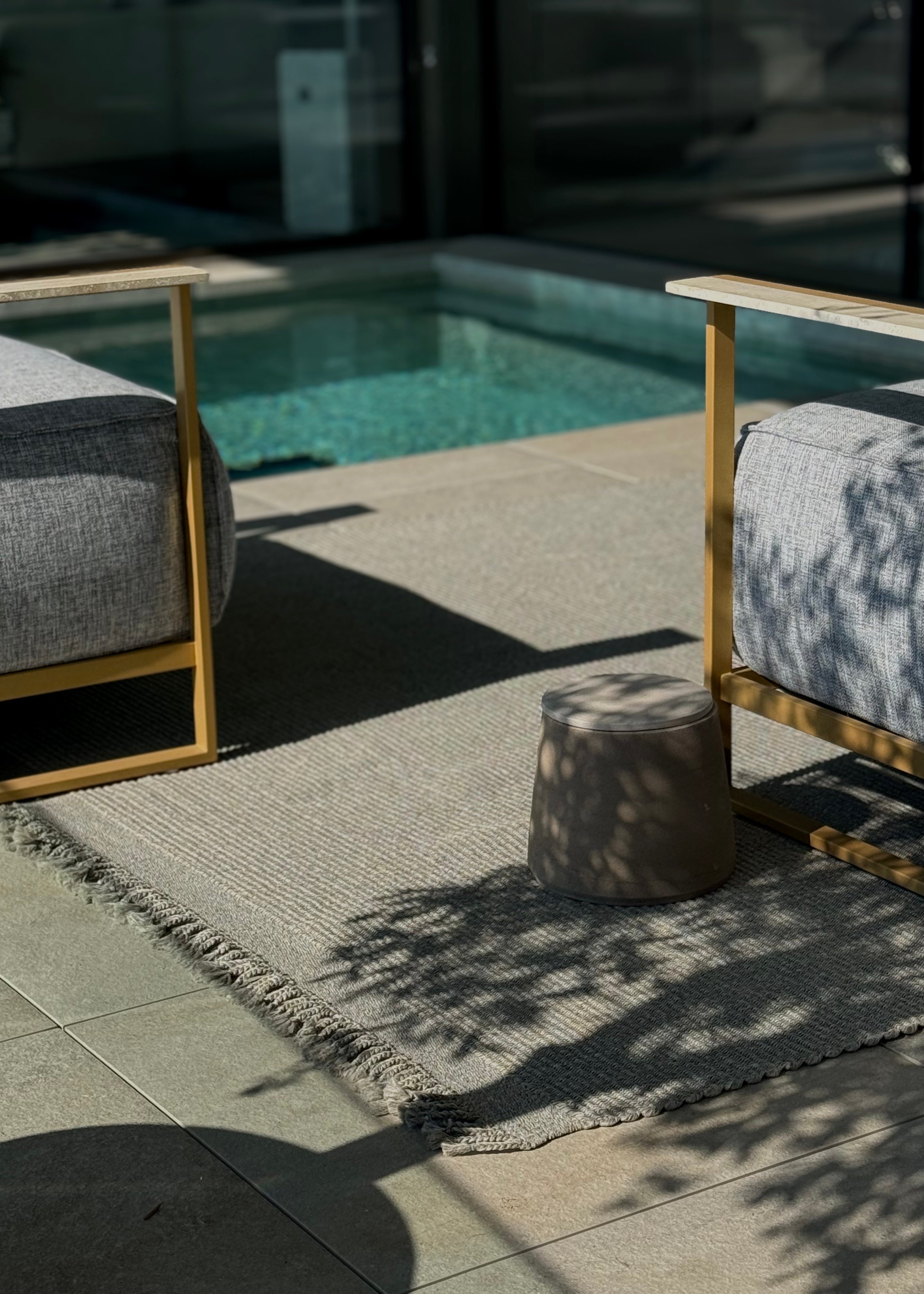
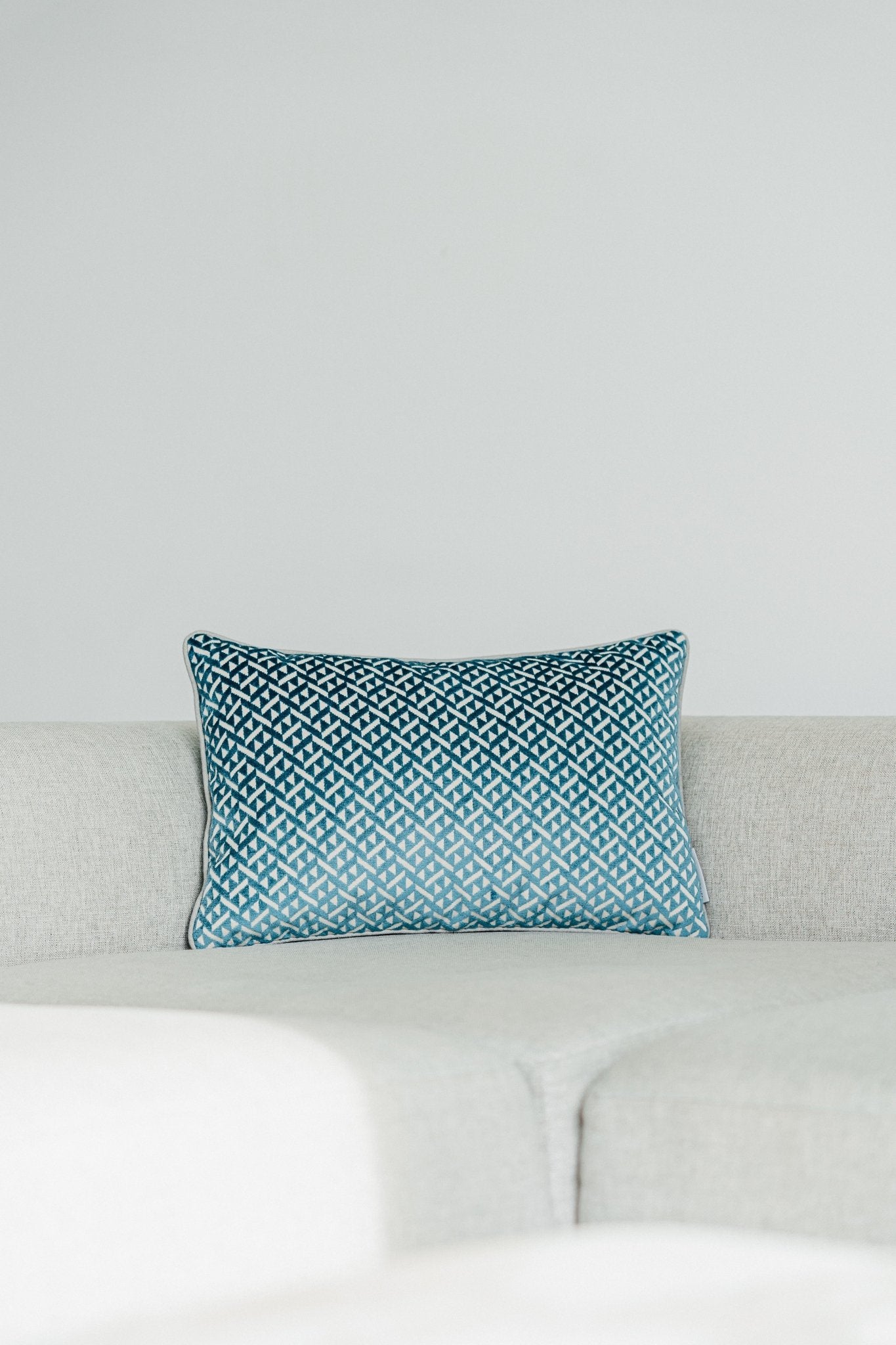
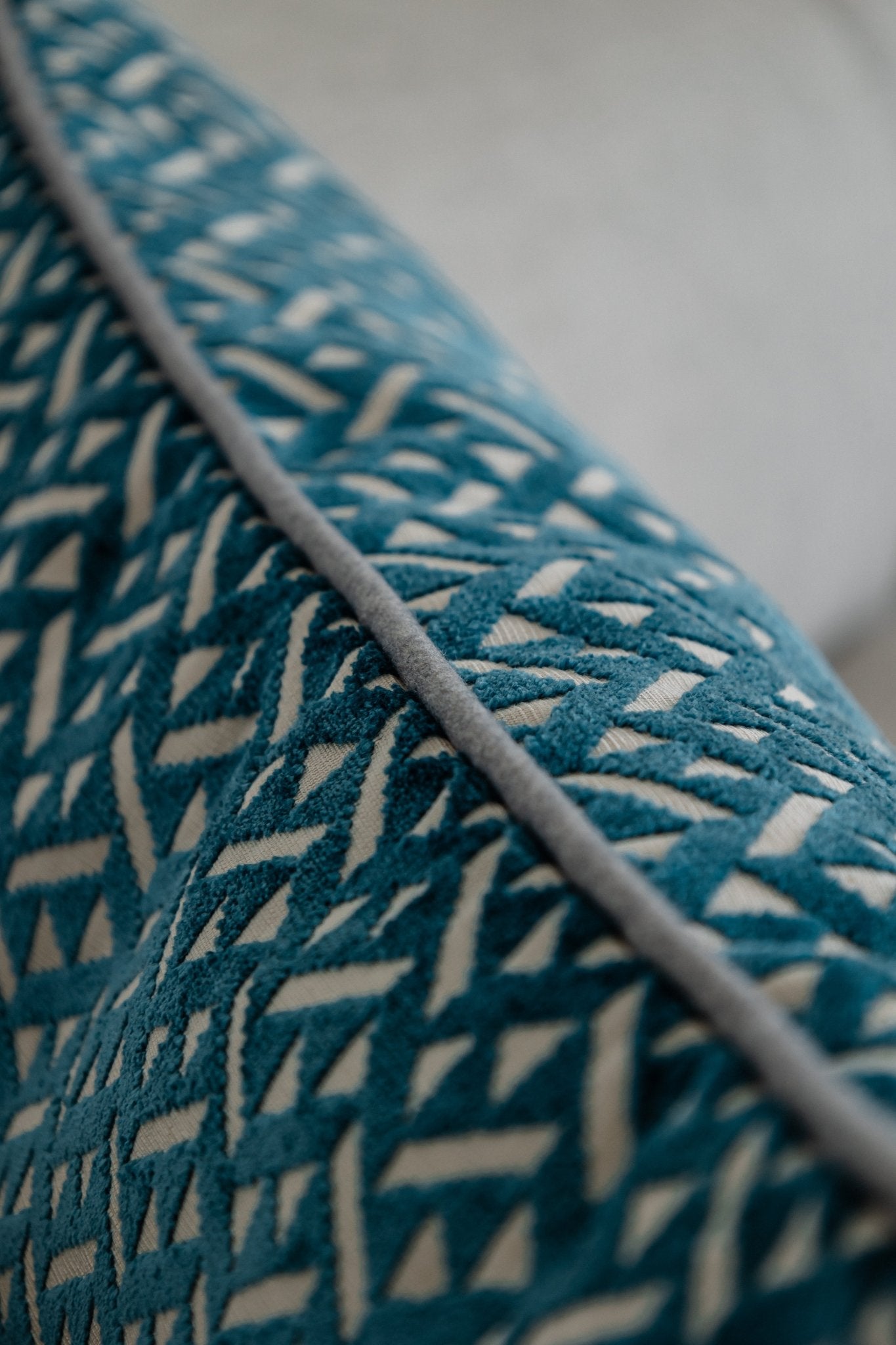
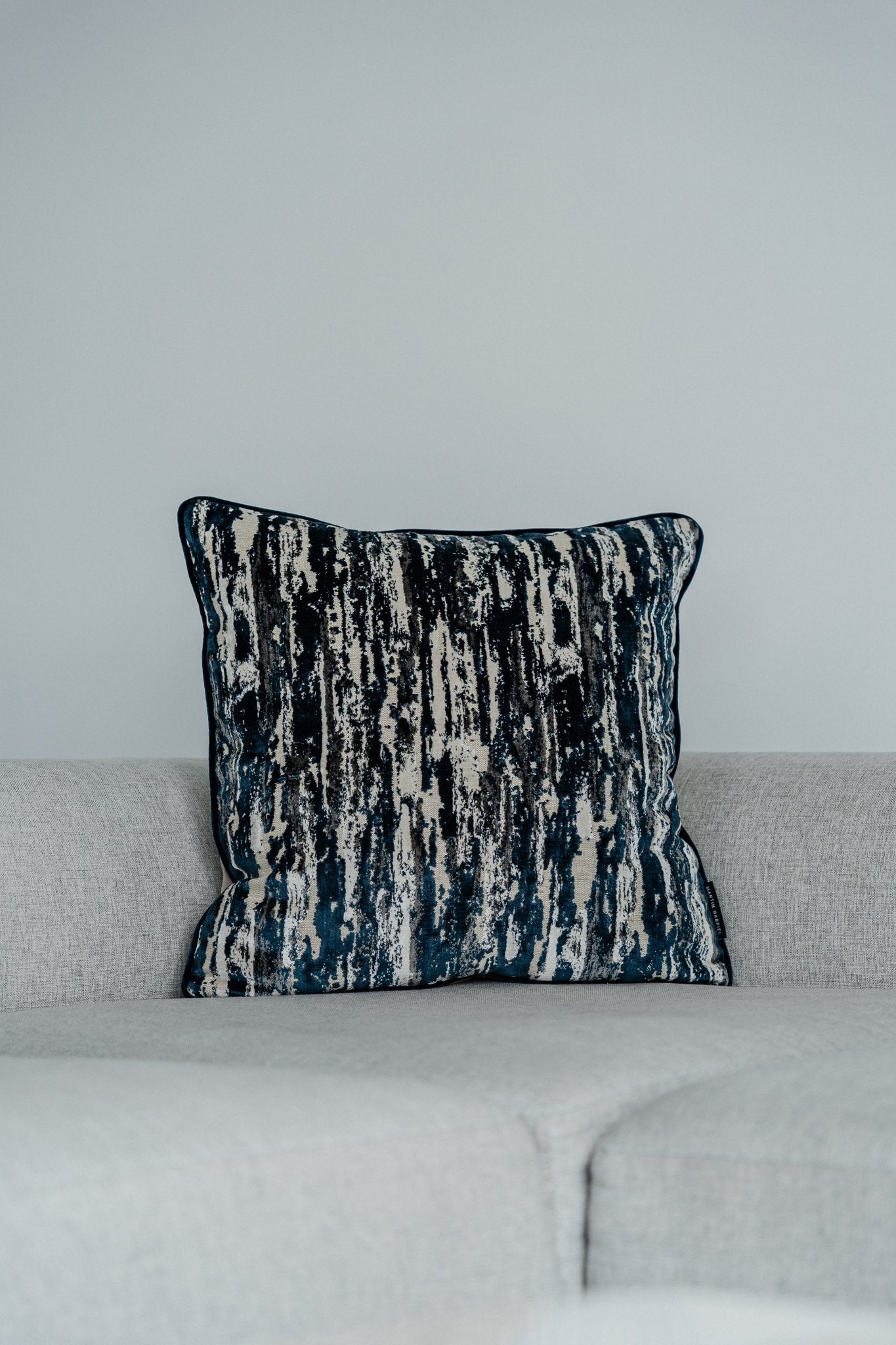
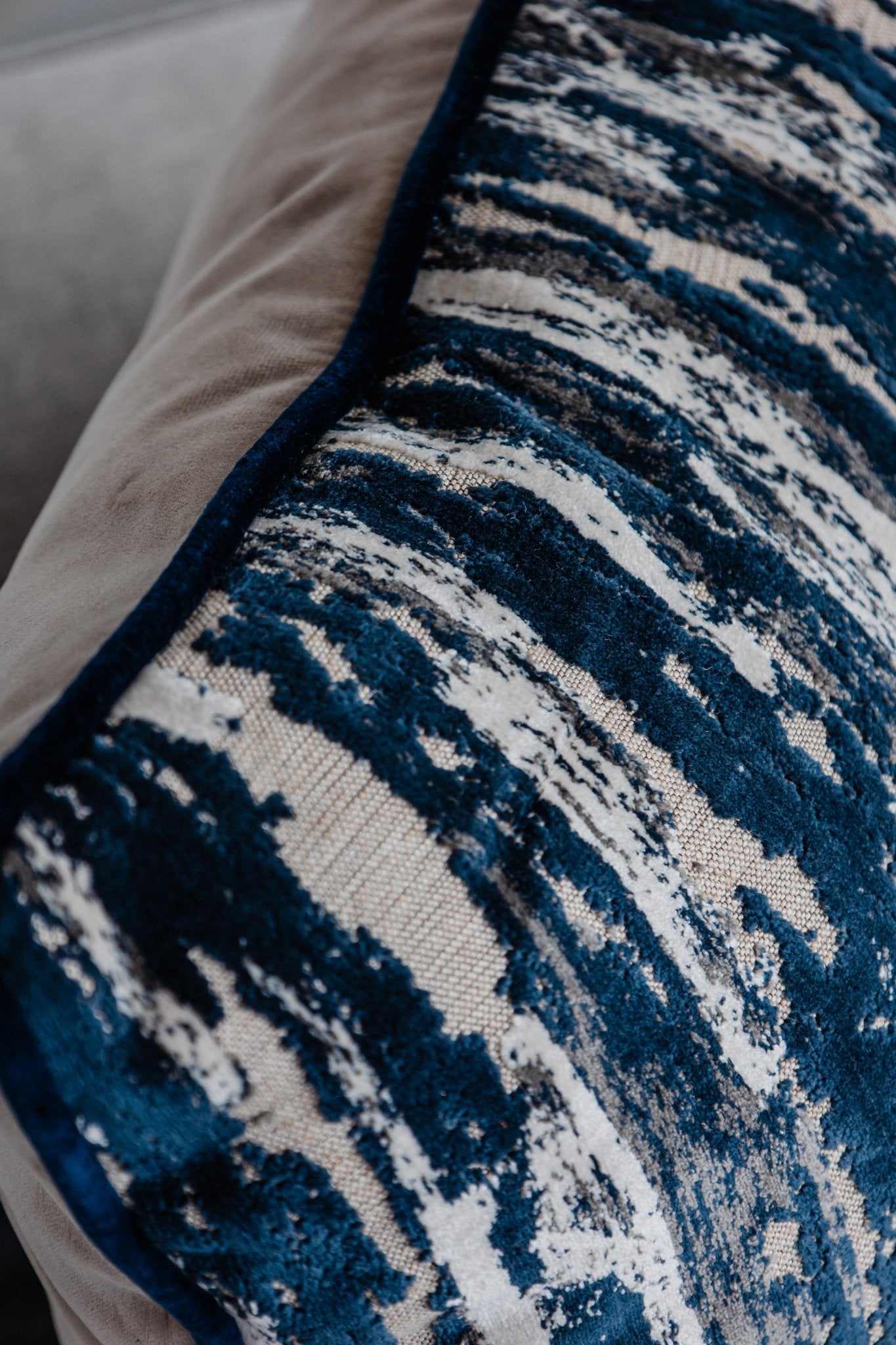
A room that smells of wood, shimmers with warm light, and features soft, coarsely woven textiles immediately feels tranquil. This feeling is familiar from mountain huts and chalets, from quiet valleys and high-altitude trails. You can bring it into your own four walls without transforming them into a backdrop. It's about authenticity of materials, tactile depth, and the courage to embrace tranquility.
What shapes the atmosphere in the Alps
Alpine living thrives on proximity to nature. It's not the grand spectacle, but rather nuances that make the difference. Surfaces can tell stories: knots in the wood, irregular weave patterns, matte ceramics with a small edge. Every fiber, every grain, every shadow anchors the space in something authentic.
Warm tones are essential. Off-white shades, cream, sand, taupe, warm grays, and occasional earthy colors like rust, terracotta, moss green, and muted berry red. These create a cozy effect, especially when paired with rustic wood textures and coarse wool.
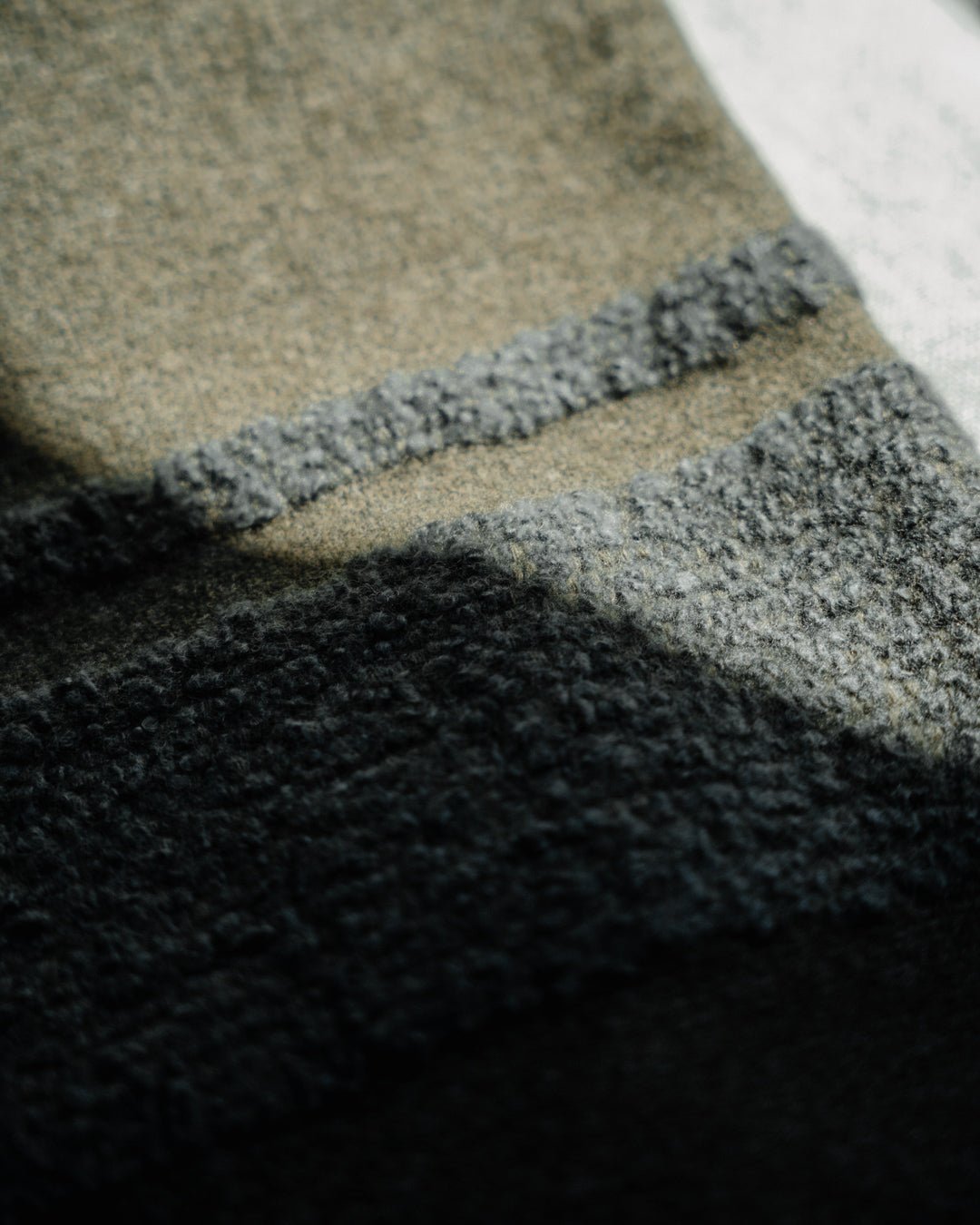
The sense of touch leads. Wool, felt, loden, linen, milled fabrics, brushed wood, hand-hewn stone. A mix of soft and rough surfaces makes rooms both calm and vibrant.
Materials with character: wood, wool, stone
Wood is the backbone. Brushed larch adds a striking pattern, oak represents weight and tranquility, and Swiss stone pine exudes a gentle fragrance. Visible texture that refracts the light is essential. Saw or band saw marks, slight bevels, matte oils instead of glossy varnishes all create depth.
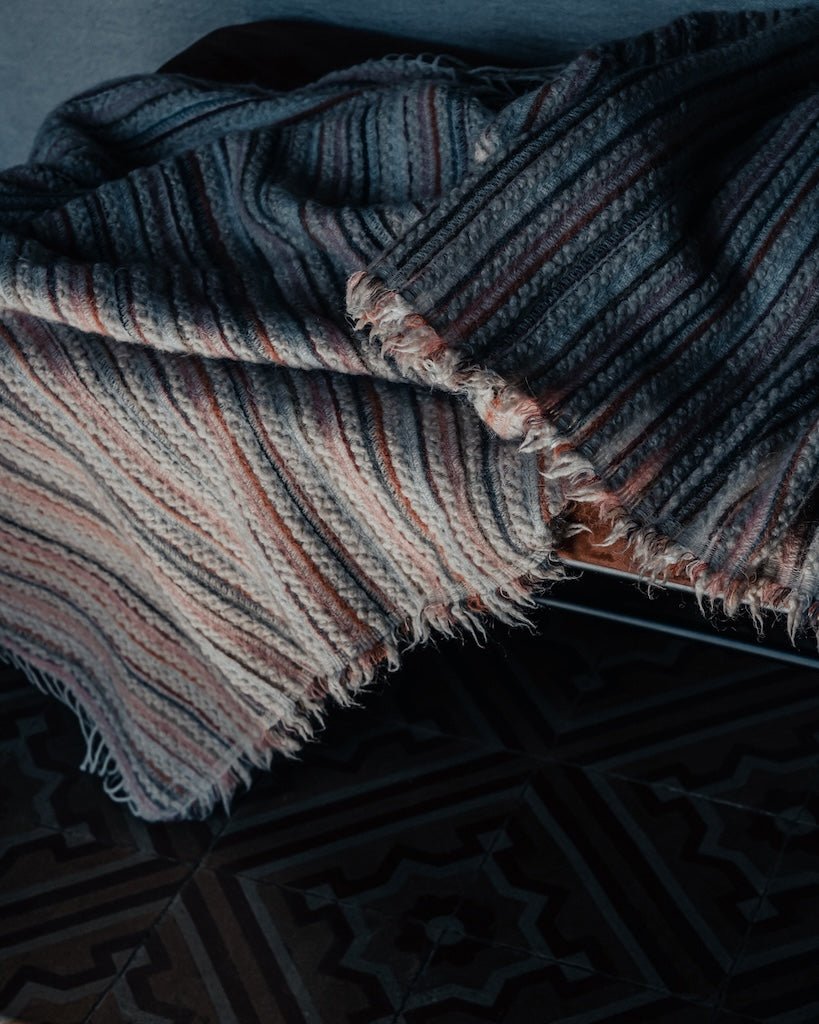
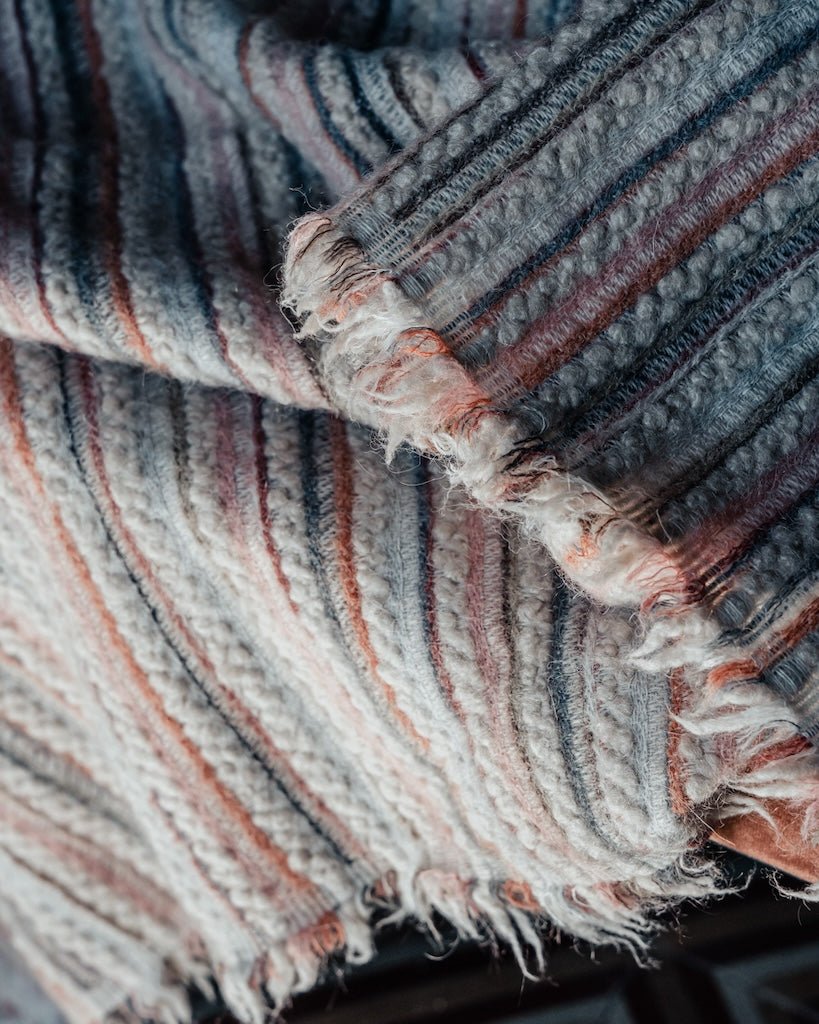
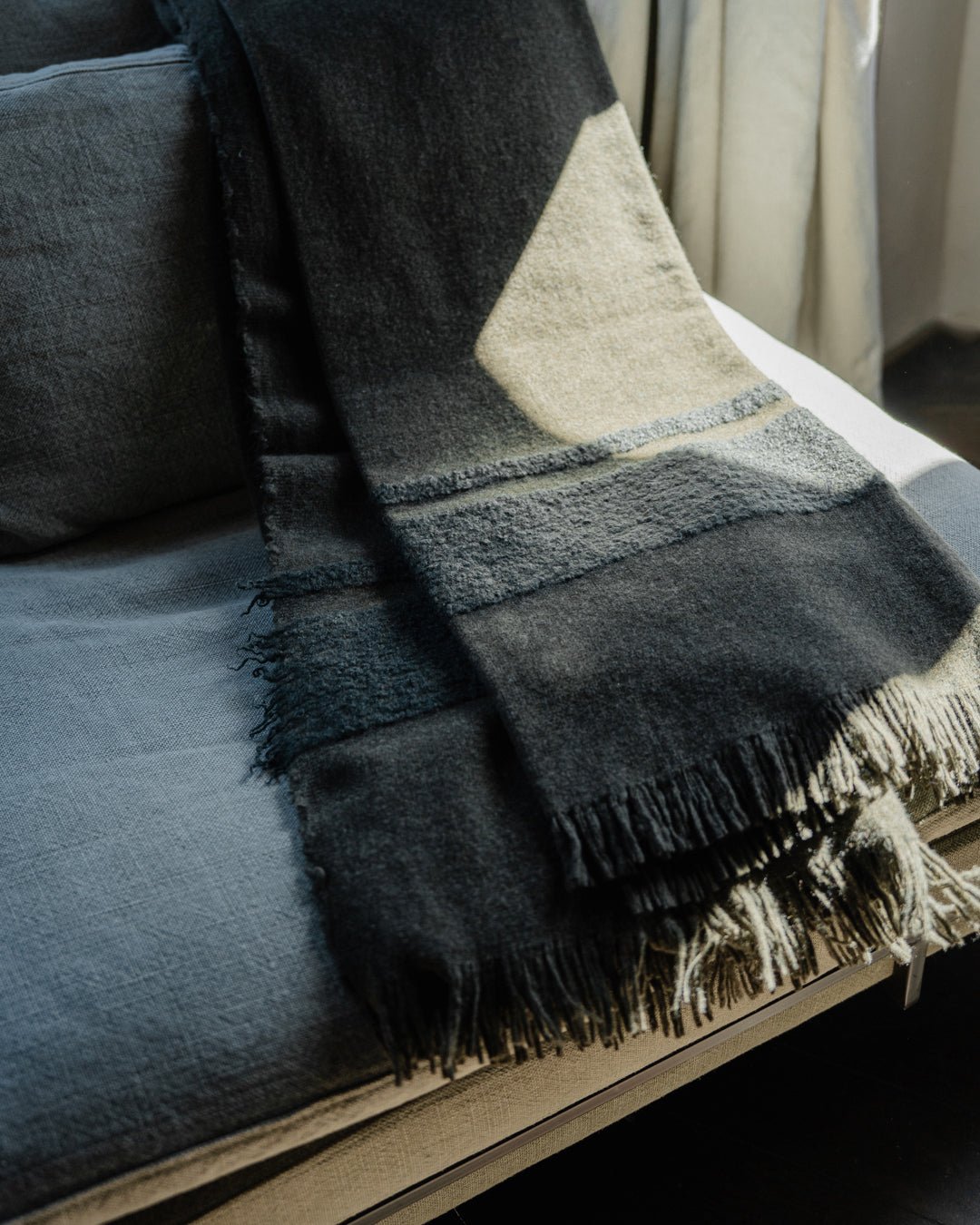
Coarse wool combines utility with comfort. A blanket made of natural virgin wool has a pleasant texture, keeps you warm, and ages gracefully. Felt retains its shape, absorbs sound, and is suitable for seat cushions, baskets, and wall panels. Linen balances the roughness of wool, feels dry and cool, and gets softer with each wash.
Stone grounds the space. Slate in the niche, basalt on the floor, rough-hewn granite as a benchtop. It doesn't have to be large surfaces. Even small sections create a contrast with the wood and intensify the impression of permanence.
Colors that carry warmth
A harmonious color space is created from three levels:
- Basis: soft, warm neutral tones on walls and large surfaces
- Structure: natural wood colors from light limed to smoked
- Accent: deep, grounded colors in textiles, ceramics, art
Painting the walls in an off-white with a warm undertone gives the wood space without overpowering it. Rugs and curtains provide the accents. A moss green cushion or a chunky-knit chestnut brown throw creates a more tranquil effect than bold contrasts.
Metals remain understated. Blackened iron, dark brass, and pewter. High-gloss chrome quickly stands out and creates a cooler atmosphere.
Using textiles correctly
Textiles are the quickest way to add depth and calm to a room. Layers and grains create the desired relief.
- Chunky knit blankets on the sofa, combined with smooth linen cushions
- Felt cushions on chairs that make any seating appear warmer
- Wide curtains made of dense wool blend fabric for sound and light
- Linen blinds as daylight filters that remove harshness from the room
- Loden covers for stools and benches, durable and hard-wearing
Rhythm is important. Not every fabric can be loud. A chunky knit is followed by a calm plain weave, then perhaps a herringbone pattern, then another plain weave. The repetition of individual materials creates cohesion.
A tip for sofas: Instead of lots of small cushions, opt for a few large ones, preferably 60 x 60 or 70 x 70 cm, covered in wool bouclé or dense loden. This creates a spacious feel and invites you to sink into it.
Carpets as islands of calm
On wooden floors, a rug unfolds its full potential. It groups furniture together, softens the room, and delivers a tactile promise. Wool rugs are the first choice because they feel warm, are robust, and have natural elasticity.
- In the living area: generous formats that accommodate the front furniture feet
- In the bedroom: one continuous carpet or two runners on the sides
- In the hallway: dense wool felt or a durable flat-weave carpet
A layering of thin flatweave rugs with a smaller deep-pile rug in the middle can be appealing. If you like fur, it's best to choose certified byproducts or high-quality imitations with realistic fibers to ensure that the ethical and aesthetic aspects match.
Carpet Guide at a glance
| Carpet type | Haptics | Pile height | Care requirements | Acoustics | Spatial effect |
|---|---|---|---|---|---|
| Pure new wool | springy, warm | low to high | moderate | high | classic, quiet |
| Kilim/flat weave | taut, cool | flat | small amount | medium | graphic, ground-level |
| Wool bouclé | non-slip, structured | low | moderate | high | textured, modern-rustic |
| Deep pile | soft, enveloping | high | higher | very high | cozy, opulent |
| wool felt | solid, compact | none | very low | high | puristic, robust |
Light that breathes
No material appears warm if the light is cold. The goal is to achieve light colors between 2200 and 2700 Kelvin, ideally with a dimmer. Point-like, low-lying light sources are more important than a bright ceiling light.
- Basic light with indirect lights that gently illuminate the walls or ceiling
- Zone lighting at seating areas, at the dining table, at the bed
- Accent light to highlight wood structures, stone or art
- Candles, tea lights, lanterns for special moments
Shades made of parchment, linen, or opal glass filter harsh light, giving it a creamy appearance. A floor lamp with a shade behind the sofa creates depth in the room. Wallwashers made of black steel have a restrained effect and highlight textured surfaces. Glare-free lighting is important, so opt for lamps with privacy screens or frosted glass.
Staging rustic wooden structures
Wood comes alive in its interaction with light and touch. Instead of covering everything with smooth fronts, individual surfaces create accents.
- Visible ceiling beams made of reclaimed wood or brushed spruce
- Larch wall panels, laid vertically to emphasize height
- Furniture with frame and panel, clear grain, matt oil finish
- Window sills made of solid oak, only oiled, not varnished
The surface finish determines the effect. Brushing highlights annual rings, smoking deepens the tone, and whitewashing brightens without obliterating the structure. Metal fittings in black steel or burnished brass make a subtle partner.
If you're not planning on major renovations, you can work with loose elements: a solid board as a hat rack, a narrow reclaimed wood strip as a picture edge, a hallway bench with exposed tenons. Small things with substance.
Kitchen and bathroom with an alpine touch
In the kitchen, wood cabinets with a calming grain, matte ceramics, and stone countertops provide the desired tranquility. Oak or walnut cutting boards, linen towels, black rails with cast-iron hooks, clay jugs for wooden spoons, enamel pots, and glassware in clean shapes.
Tiles in warm gray tones, zellige tiles with slightly irregular glazes, countertops made of natural stone or durable solid surface materials with a matte finish. When stainless steel is unavoidable, break up the coolness with wooden handles and warm lighting.
In the bathroom: oiled oak on the vanity, textured stoneware, and thick wool or cotton mats. A mirror with a narrow wooden frame and an opal-glass wall lamp to the left and right of the mirror soften the contours of faces.
Sound, scent and temperature
Silence is part of the Alpine atmosphere. Dense curtains, carpets, felt panels, and upholstered furniture reduce reverberation. Doors have weatherstrips, soft felt glides under chairs, and fabric panels on open shelves.
Scents should be subtle. Swiss pine or Swiss stone pine is often used, as are cedarwood or a blend of mountain pine and herbs. A small wooden sachet in the closet, a few drops of pure natural oil on a piece of felt, and no heavy room fragrances.
Temperature is more important than the heating factor. Warm surfaces feel more comfortable even at the same air temperature. Wood, wool, and stone with underfloor heating or a heated carpet underneath quickly create a pleasant feeling.
Make good use of the seasons
In winter, coarse textures can dominate. Thick wool blankets, deep-pile rugs, heavier curtains, and deep colors. In summer, the rooms are aired out, the textiles become lighter, linen takes center stage, and the color palette brightens. This way, the room remains breathable without losing its theme.
A box for seasonal textiles helps with the rotation. Swapping two or three large items is often enough: a throw, a rug runner, the pillowcases.
Small spaces, big impact
If you have limited space, focus on concentration rather than scattering. An accent wall made of wood panels, otherwise white or cream. A large rug instead of many small ones, a sofa with a deep seat that can also be used as a daybed. Storage space in benches, stools with loden upholstery for mobile storage.
Stretch vertical lines. Narrow slats, floor-to-ceiling curtains, tall shelves with muted fronts. A few large pictures with natural motifs, preferably in sepia tones or black and white, instead of many small frames.
Care, quality and origin
Good materials require care, but they reward you with a patina that becomes more beautiful. Wool is largely self-cleaning; regular shaking and vacuuming is usually sufficient. First, remove stains while dry, then use lukewarm water and wool detergent. Pilling in coarse yarns can be gently removed with a lint shaver.
Oiled wood requires occasional re-oiling. Small scratches can be locally smoothed with sandpaper and then re-oiled. Stone surfaces prefer neutral cleaners, not harsh chemicals.
When making your selection, it's worth considering certifications and origins. FSC or PEFC for wood, wool from traceable sources, preferably mulesing-free, and production in manageable supply chains. Repairability is important, even for furniture and lighting.
A shopping list with feeling
A plan helps you proceed step by step. Not everything at once, but first the surfaces, then the levels.
- Floor: large wool carpet for the main area, flat-weave runner
- Windows: Wool blend curtains, additional linen blinds
- Sofa: Blanket made of coarse, natural wool, large loden cushions
- Seating: felt cushions, bench with solid wooden top
- Walls: a wooden panel surface or old wood strip as a picture board
- Lighting: Floor lamp with linen shade, wall lamp with opal glass, dimmable light sources
- Kitchen: oak cutting boards, ceramic vessels, linen towels
- Bathroom: oiled wooden frame on the mirror, thick bath rug, soft cotton towels
- Fragrance: Pinewood sachets, natural needle oils on felt
If you like, you can complement it with vintage pieces. An old wooden box as a side table, a cast iron skillet, an armchair from a flea market with a new wool cover. Signs of wear and tear are not a defect, but a part of history.
Composition and proportion
The balance between rawness and comfort is achieved when proportions are right. Large surfaces are calm, small ones add detail. A dining table with a solid top needs light chairs, a delicate table can accommodate chairs with loden upholstery. A coarse rug gains interest when placed next to smooth leather or wood surfaces.
Patterns are used deliberately. Herringbone on parquet, houndstooth on a cushion, stripes on a throw. Not all at once, but as dots that guide the eye.
Small rituals for big impact
A room lives through habits. In the evening, only turn on the low lights, place a blanket on the sofa, and light candles on the windowsill. Wooden trays collect small items, felt baskets hold magazines or scarves. Shoes get felt bowls, and keys get a black steel hook.
These small orders support the calm that the materials provide.
Example room sequences
- Hallway: Rustic bench, felt cushions, low wall lamp, black steel hook rail, wool flatweave runner
- Living: Large wool rug, sofa with loden, solid oak coffee table, floor lamp with linen, cushions in moss green and rust
- Dining: Larch dining table, chairs with felt cushions, pendant light with opal glass, ceramics in natural glaze
- Sleeping: Linen headboard, coarse wool blanket, wool curtains, two narrow wall lights, small felt runner
This creates a common thread without forcing uniformity.
Mistakes that cost the mood
- Too cold light, especially with LED
- Too many shiny surfaces that cause unrest
- Pattern mix without resting poles
- Plastics that imitate wood instead of honest materials
- Mini rugs that visually tear furniture apart
- Noise corridors due to missing textiles
If you avoid these points, you are already close to your goal.
A look at texture trios
A simple rule helps with the combination: always a trio of soft, rough and smooth.
- Soft: coarse wool, deep pile, bouclé
- Rough: brushed larch, felt, rough stone
- Smooth: linen, matte ceramic tableware, opal glass
This triangle keeps rooms exciting and harmonious. Add a warm color temperature to the lighting, and the mood is perfect.
From the surface to the detail
First, clarify the major themes: floor, walls, lighting. Then the textiles, and finally the objects. This keeps the direction clear. A room with a good foundation will allow for later experimentation with accessories, whereas, conversely, even the most beautiful ceiling can have little impact on a busy base.
For example: Oiled oak parquet flooring, warm off-white walls, and wool-blend curtains. Next come the rug, sofa, and the first few throw pillows. Only then do small details add character, like a carved stool or a wrought-iron candlestick.
Atmosphere that grows with you
Rooms with natural materials don't age in a negative way; they gain contours. Wool mats a little, wood develops marks, stone polishes where hands touch it. This creates a serenity that's hard to imitate. Those who add things slowly and consciously remain free. A new throw, a different rug, a change in lighting, and perception shifts.
And at some point, the wood smells, the floor is springy, the light is soft, and the blanket is waiting on the arm of the sofa. Then the feeling you know from the mountains arrives, even when the city roars outside.