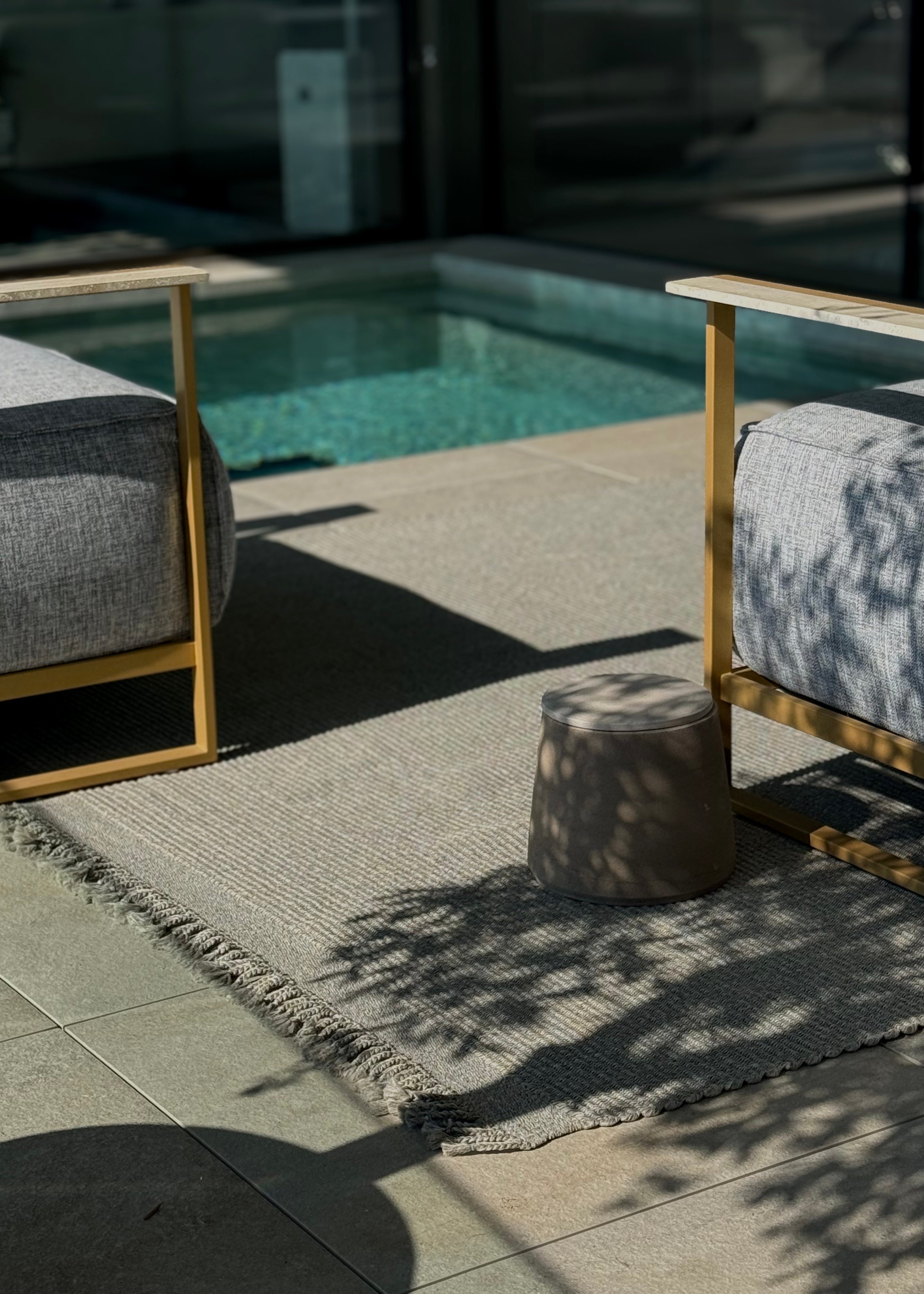
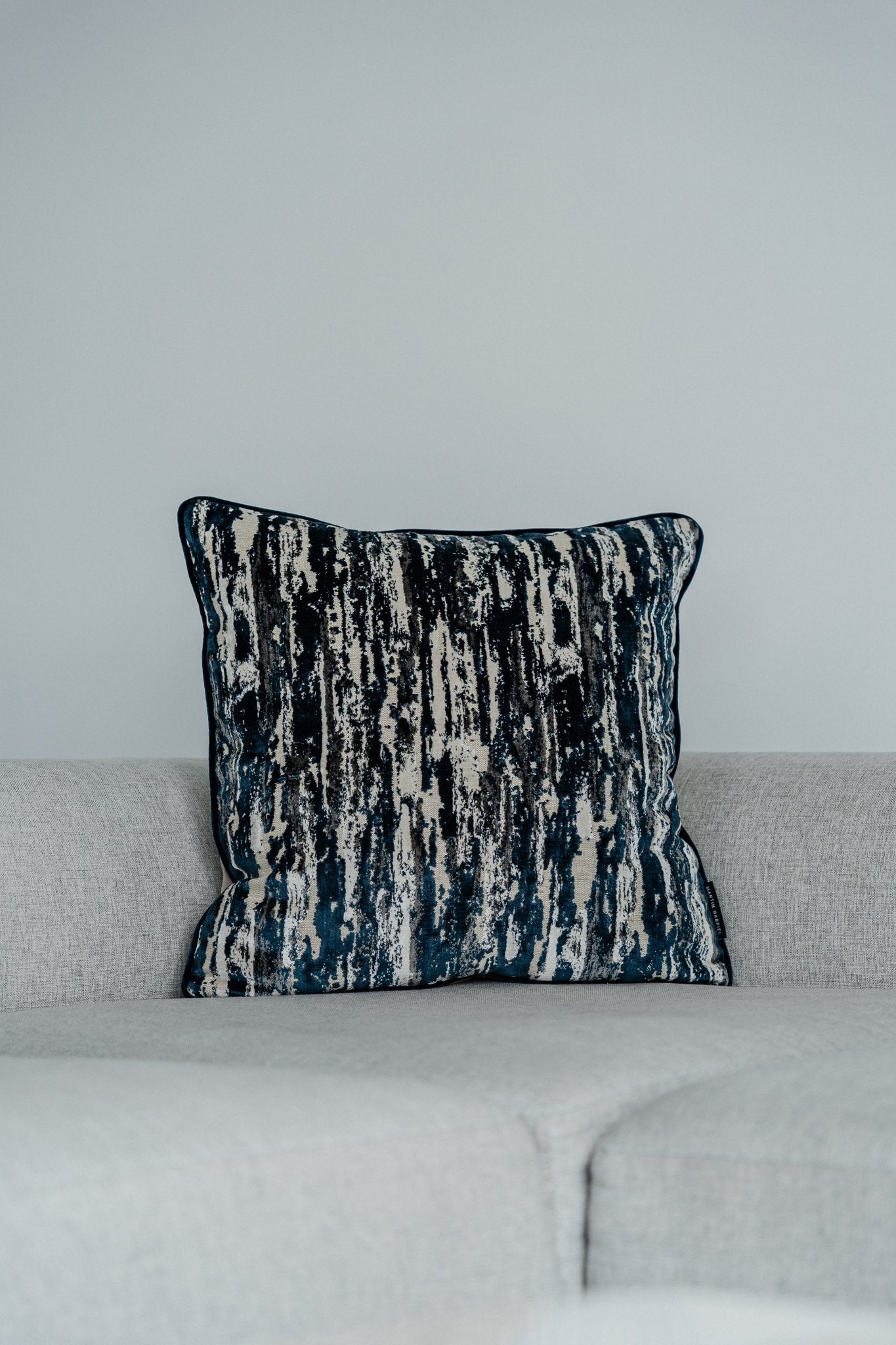
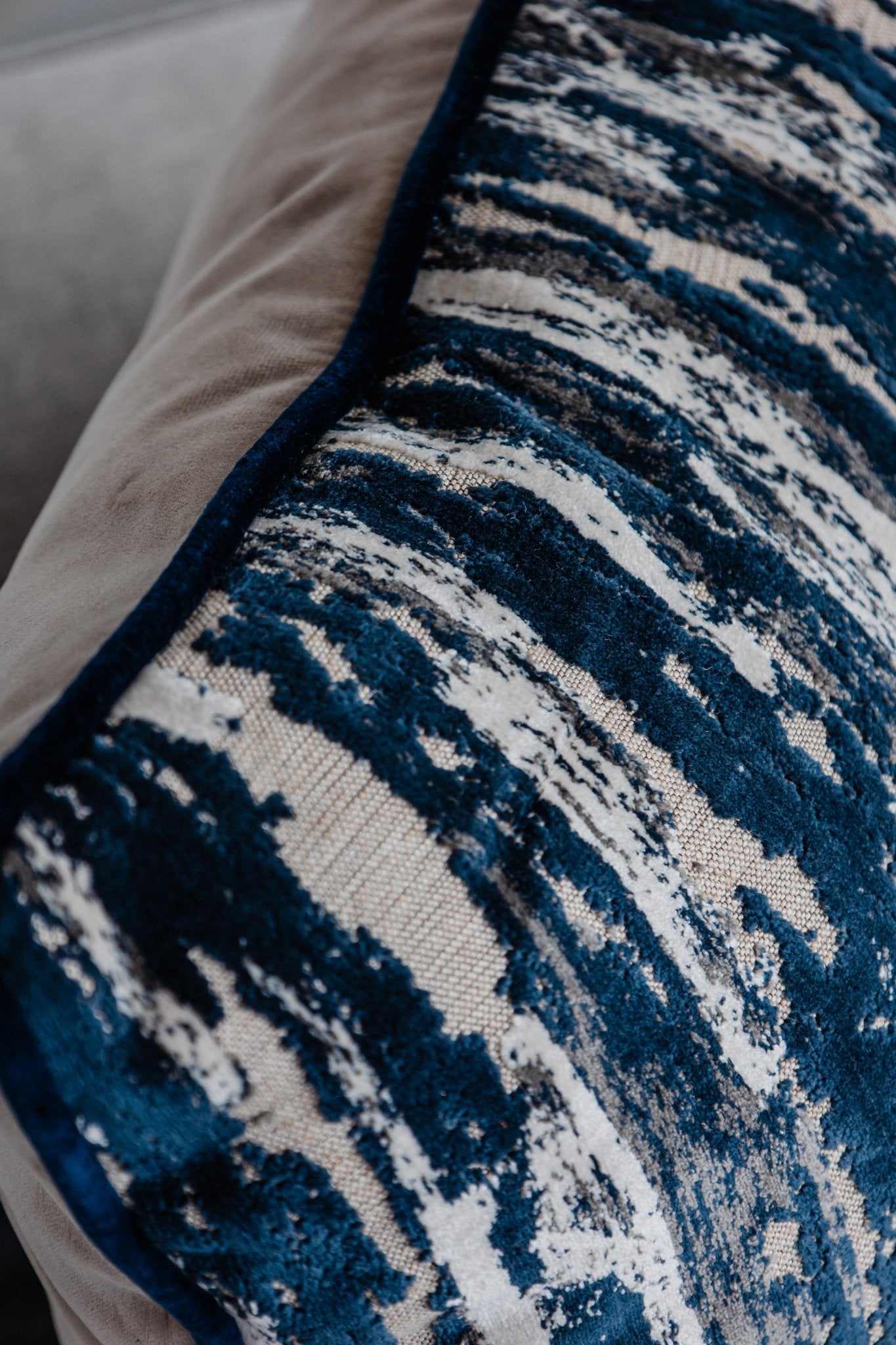
We long for spaces that feel alive, that ground us, and at the same time energize us. Places that not only function but are good for us. When nature and design tangibly interact, a special quality emerges: clarity without coldness, tranquility without boredom, elegance without pomp.
Why nature touches us
Humans respond to natural stimuli with measurable relaxation. A view of greenery demonstrably lowers the heart rate, organic patterns calm the visual system, and the scent of wood creates familiarity. This resonance has many causes: memory, evolution, and culture. But above all, it is physical. Our nervous system loves variety, but not a flood of stimuli. It seeks structure, but not rigid uniformity. This is precisely where natural phenomena are ideal: foliage, water surfaces, and grounded materials exhibit variation within limits. Complex, but legible.
The implication is that design that respects natural qualities is rarely intended to be decorative. It organizes perception, supports the body, and provides orientation. This is far more than houseplants and a wood look.
Materials that let rooms breathe
The choice of materials determines the feel, acoustics, smell, and aging of a room. Working with substance that ages gracefully inspires trust. Patina is not a defect, but a narrative.
- Wood: Warm, pliable, and acoustically soft. Oiled instead of sealed, it remains permeable and easy to repair.
- Stone and brick: provide thermal mass, buffer temperature peaks, and create a calming effect. Regionally sourced materials shorten routes and strengthen identity.
- Clay and lime: Regulate humidity, bind pollutants, create matte, deep surfaces.
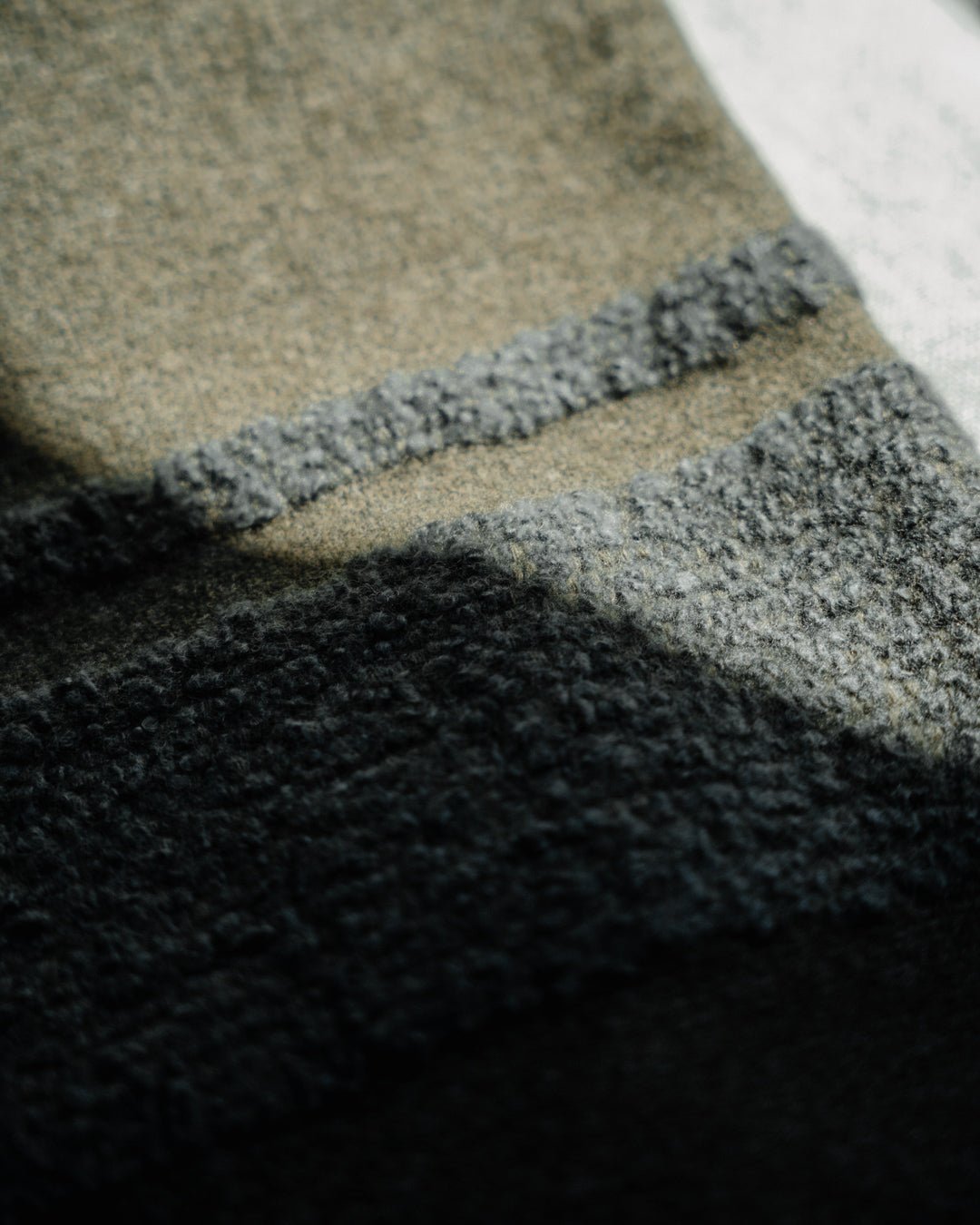
- Wool, loden, hemp: textile sound absorbers, tactilely pleasant, renewable.
The craftsmanship is crucial. Thin decors imitate, while solid layers hold. Repairable surfaces extend the life cycle and ease the strain on budgets. And they feel better.
Shapes, patterns, proportions
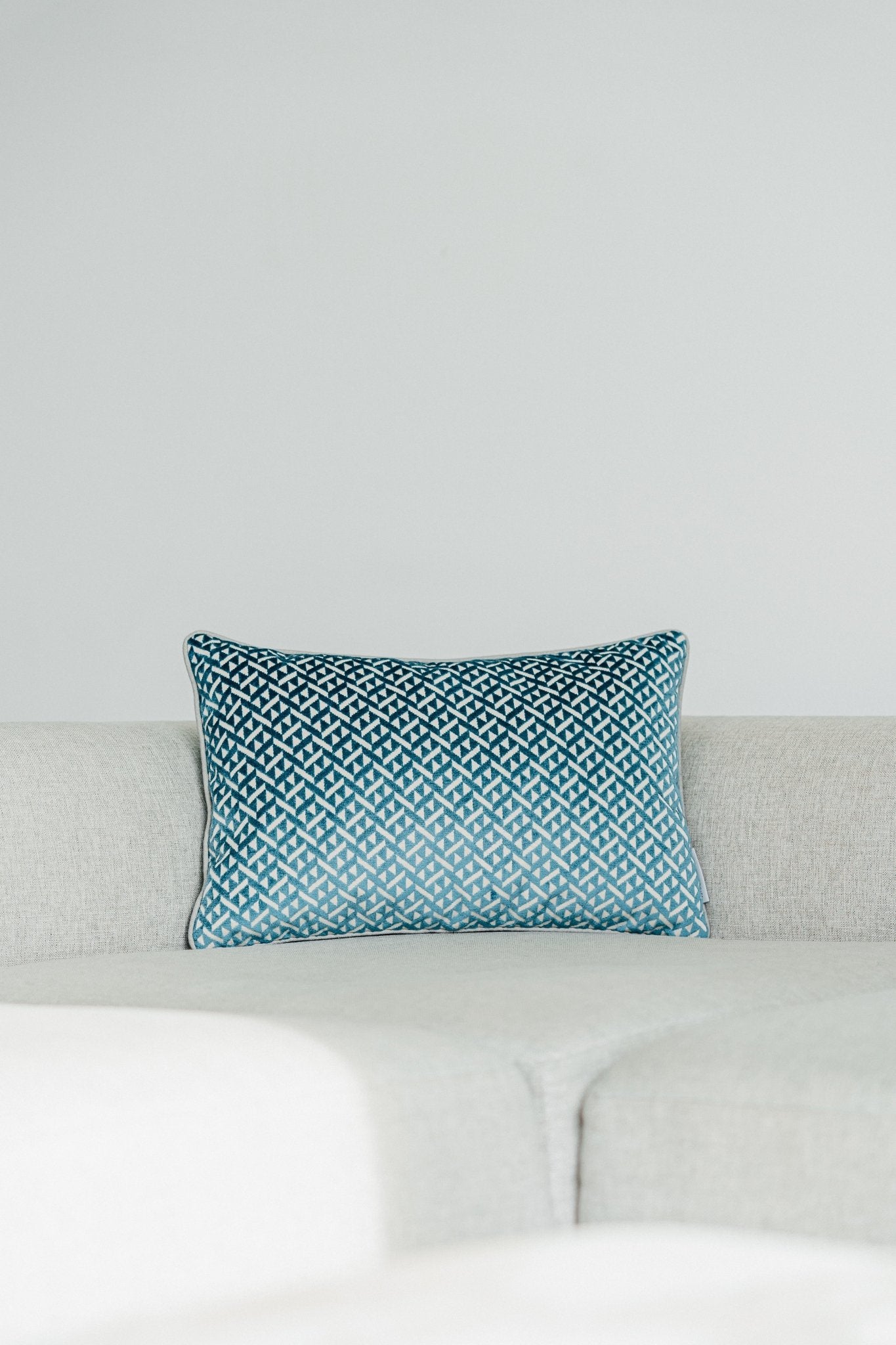
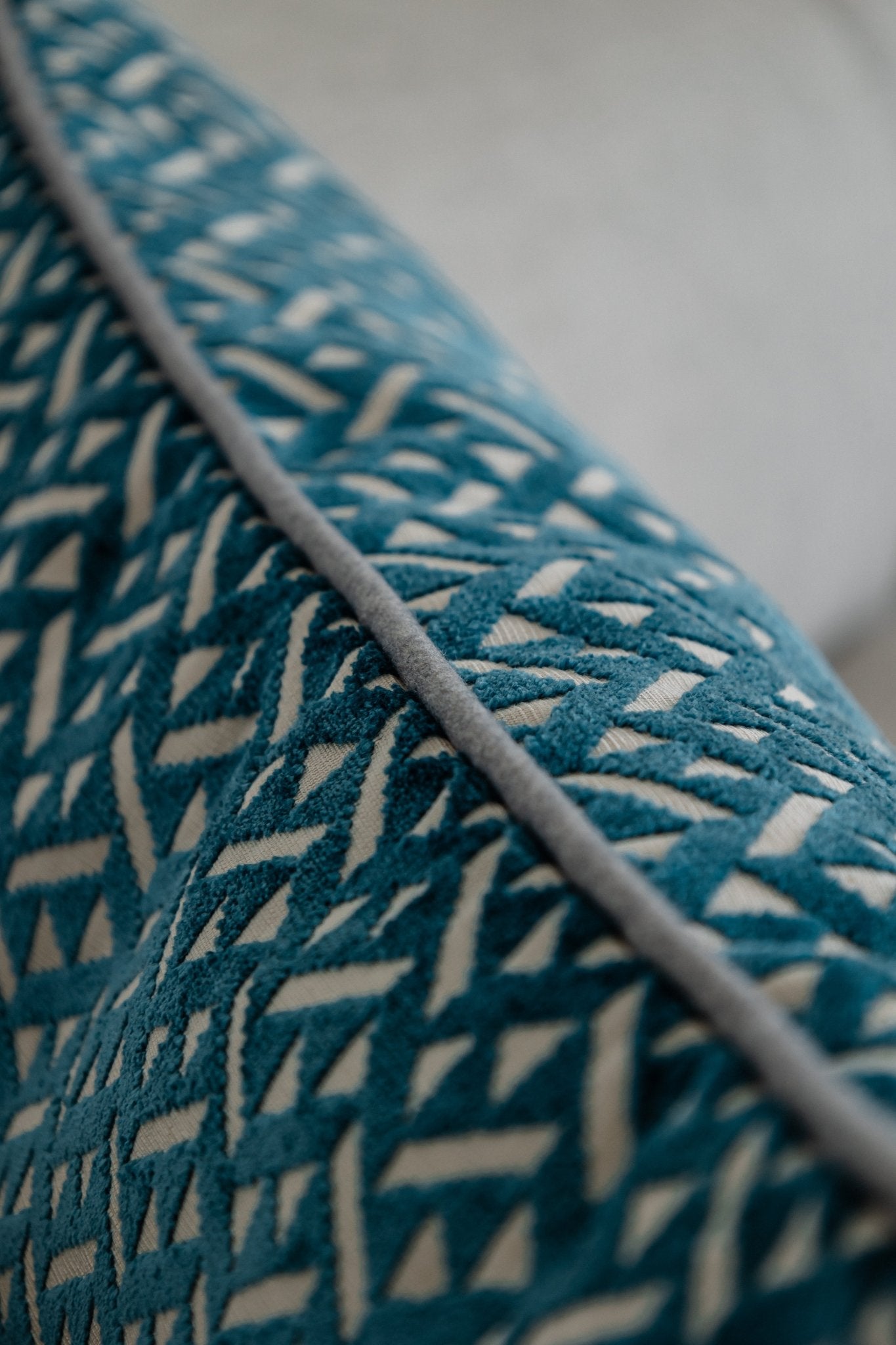
Organic geometry rarely follows perfect circles or strictly rectangular grids. Instead, fractality and gentle asymmetry dominate. Design can accommodate this without slipping into playfulness.
- Fractal patterns of medium complexity soothe the eye.
- Slight irregularities (wabi-sabi) make things approachable.
- Curvatures with a continuous curve appear soft, not kitschy.
- Proportions that combine repetition and variation remain interesting.
Restraint helps here. A single, strong motif, consistently implemented, is more effective than five half-hearted quotes from nature.
Light, air, acoustics: the physiological basis
Daylight is the most powerful design tool. It structures time, promotes sleep, and promotes productivity. Good concepts work with depth, reflection, and controllability.
- Daylighting: skylights, light-directing louvers, bright ceiling surfaces.
- Glare-free: anti-reflective surfaces, adaptive shading, workplace orientation along the facade.
- Spectrum: Warm in the morning and evening, neutral during the day. Not every LED is the same.
Air quality is invisible, but tangible. CO2 measurement, demand-based ventilation, and plant support form a trio. Plants aren't the primary solution for air purification, but they improve the microclimate and acoustic dispersion, and they're good for the psyche.
Acoustics determine the quality of conversation and relaxation. Natural soundproofing uses textiles, wooden slats, clay plaster, and furnished areas. Water sounds or gentle natural sounds can reduce stress in noisy environments when used in moderation.
Thinking about city and landscape together
The street lies between the building and the park, and it too can be vibrant. Design decisions at the neighborhood level shape health and social cohesion.
- Green joints: unsealed surfaces, rain gutters as biotopes, shade roofs made of trees.
- Soft mobility: Safe paths that encourage walking and cycling.
- Sponge city principle: absorb water, purify, slow it down. Cooler microclimates in hot summers are no luxury.
- Communal areas: courtyards, roofs, edges with amenity qualities instead of green spaces.
When nature structures rather than decorates, spaces are created that people use instinctively.
Technology that takes a back seat
Digital technology complements the experience. It doesn't replace the feel of materials, light, and air. The best systems remain in the background, supporting needs rather than drawing attention.
- Sensors regulate ventilation and shading according to actual use.
- Lighting follows circadian curve, with manual override.
- Adaptive facades react to sun and wind, save energy and increase comfort.
- Digital twins enable simulations before construction and post-occupancy evaluations afterwards.
The goal is environments that remain calm while responding intelligently.
Ethics, origin, cycles
If nature is the model, this also applies to material cycles. Selection and procurement make ecological and social decisions.
- Certified forestry (FSC, PEFC) instead of anonymous source.
- Prefer secondary raw materials: dismantling, processing, reuse.
- Healthy material passports: transparency about ingredients, later separability.
- Regional added value and fair work along the chain.
Design gains profile when origins are visible. A bench made of local wood, a stone from the nearest quarry, a textile from a renowned weaving mill not only tells a story. They also simplify maintenance, replacement, and repair.
Principles and effects at a glance
| principle | Practical example | Effect | Measurable indicators |
|---|---|---|---|
| Daylight orientation | Workstations parallel to the facade, reflective ceilings | Better sleep, greater satisfaction | Lux at work, chronotype questionnaires |
| Diffusion-open shell | Clay plaster, lime paint, oiled wood | Balanced humidity, fewer VOCs | rH in %, VOC in µg/m³ |
| Acoustic scattering | Wooden slats, textiles, plant islands | Less reverberation, better speech intelligibility | RT60 in s, STI |
| Biophilic patterns | Fractal graphics, natural textures | Relaxation, visual calm | Heart rate variability, stress scores |
| Flexible zones | Niches, open tables, retreats | Self-determination, focus | Usage data, satisfaction surveys |
| Circular material selection | Reuse furniture, modular systems | Longer lifespan, less waste | CO2eq, circular share in % |
Those who take impact seriously don't just measure energy consumption. They also consider health, perception, and belonging. Without data, much remains mere assertion.
Fields of application: from the office to the patient room
Work environments benefit immediately. Plant islands divide zones, acoustically effective ceilings and woolen surfaces reduce stress, and targeted views to the outdoors increase concentration. Productivity increases, turnover decreases. And meetings are shorter when people don't have to struggle to understand each other.
Healthcare buildings gain warmth when sterile surfaces are combined with natural, easy-to-clean materials. Daylight and views accelerate recovery. Maintenance-friendly details keep operating costs under control.
Educational spaces experience tangible effects through differentiated acoustics, movement-friendly furniture, and robust, tactile surfaces. Learning requires stimulating calm, not riotous activity.
Hotels and restaurants convey their identity through regional materials, garden access, and a clear language of form. Guests remember not only the menu, but also the feeling of being cared for.
Economics of Quality
Good building materials cost money. Constant renovation is even more expensive. Those who rely on durable, repairable elements spread their investments over decades. Operating costs decrease, user loyalty increases, and vacancies become less likely. It all pays off.
- Fewer replacement cycles for solid surfaces
- Fewer sick days due to better environmental quality
- Greater space efficiency through multifunctional zones
- Better leasing and brand value
Numbers convince decision-makers, but tangible quality remains crucial. Spaces where people want to stay give companies and institutions an advantage that can't simply be replicated.
Design as an attitude: rules that support
A catalog to help you make decisions:
- Start with climate and context. Only then form.
- Let one material dominate, two complement each other. Nothing more.
- Let one color carry, a second accentuate, white as light.
- Plan lighting before deciding on furniture.
- Take spaces for retreat just as seriously as representative areas.
- De-dramatize technology: operable, visibly maintainable, finely tuned.
- Include maintenance and repair in the design.
- Measure, learn, and adjust later.
These are simple sentences. They demand discipline. And they reward with clarity.
Common misunderstandings
- More greenery doesn't mean better design. A few strategically placed plants have a stronger impact than overstuffed shelves.
- A natural look without substance remains decorative. A plastic with a wood decor has a different feel, acoustics, and aging behavior.
- Open floor plans aren't automatically vibrant. Diversity comes from spaces with clear functions and smooth transitions.
- Sustainability is not a style. It arises from design, operation, and use.
Clarity about goals prevents disappointment. The first question is: What should the space do for the people who use it?
Research meets intuition
Design thrives on intuition. At the same time, evidence provides solid guidelines. Laboratory values on light temperature, studies on recovery times, and measurements of reverberation or CO2 provide certainty. Best practice combines both: building models, simulating, testing, and measuring in operation. And being allowed to be wrong sometimes.
Full-scale prototypes, temporary interventions, and A/B zones in everyday office life are valuable tools. Nothing can replace the experience of users wanting to change after a week because the actual route to the coffee machine is different than expected.
Culture and crafts
Regionality is more than just transportation routes. It shapes forms. Brick in northern Germany, slate in the low mountain ranges, spruce in the Alps, terracotta in the south. Working with local typologies creates recognition and conserves resources. Craftsmanship holds materials together. Visible joints, honest connections, and repairable details demonstrate respect.
Design works when it's not just visible, but legible. A handle that rests in the hand. A staircase that feels safe. A floor that welcomes footsteps.
Digital spaces with natural tranquility
Interfaces can learn from analogues. Reduced color palettes, clear hierarchies, rest areas, smooth animations that follow perception. Readability over effect. Small micro-patterns instead of bright surfaces. System states that are understandable without demanding attention.
Data helps here, too: gaze trajectories, cognitive load, reaction times. If a dashboard tires the eyes, it's too loud.
Small changes with big impact
Not every project starts from scratch. Existing spaces can be improved step by step.
- Light: Reduce glare sources, brighten reflective surfaces, use aligned lights instead of flat neon.
- Acoustics: Add textiles, structure partition walls, use bookshelves or slats.
- Air: Install CO2 meters, change ventilation habits, create plant islands as zones.
- Material: Replace plastics at contact points with wood, leather or textile.
- Order: manage cables, bundle technology, and create clear lines of sight.
It is almost always worth omitting first and then adding.
Processes that support
A good process protects quality:
- Kickoff with users, not just stakeholders.
- Space use as scenarios, not as square numbers.
- Mock-ups, then decisions.
- Clear operation: who maintains, who operates, who decides on changes.
- Post-occupancy review after 3 and 12 months.
This is how demands become everyday life.
Materials of tomorrow
Biobased composites made from fungal mycelium, mineral foams without cement clinker, wood bred for fungal resistance, plant-based coatings, reversible adhesive systems. Research is making significant progress. The crucial question remains: Can these materials be separated and reused later? Innovation that prevents separation is not progress.
Digital tools are also developing rapidly. Simulations combine energy, daylight, climate resilience, and user comfort. The best solution is rarely maximal, but rather balanced.
Rituals for everyday life
A short list of habits that help keep spaces lively:
- Let in light in the morning, choose warmer light in the evening.
- Respect quiet zones and consciously relocate loud activities.
- Establish material care as a rhythm: oiling, brushing, airing.
- Regularly integrate water, plants and open windows into your daily routine.
- Streamline technology: bundle notifications, dim displays.
A space that is good for us is no coincidence. It is the result of many small, clever decisions that work together harmoniously. When nature and design take each other seriously, an environment emerges that supports us, inspires us, and lasts.